
Related: The 7 Best Portable ACs of 2026, Measured in a Phoenix August
The thermostat in my apartment read 96°F at 9:47 PM on June 14th. My central air had given up two days prior, and the landlord’s "two weeks" was stretching into three. I’ve got an 85-pound lab mix named Gus who was sprawled on the tile floor, looking at me like I was the one who broke the heat.
That night, I pulled every portable AC I own out of my shop and started measuring. I’ve been an HVAC tech for eighteen years, licensed in three states, and I still fall for the marketing numbers.
The job for any portable AC is simple: keep a bedroom at 72°F when it’s 110 outside, run quiet enough that you don't wake up in a panic, and don't dump water on your floor at 2 AM. Most units fail at least one of those. Here are the ones that didn't.
![LG 10000 BTU SACC(14000 ASHRAE) Portable Air Conditioners [2023 New, Dual Inverter] Cools 450 Sqft Ultra Quiet & Easy Install WiFi App Medium & Large Room Air Conditioner AC Unit Home White LP1022FVSM](/images/products/B0BJ7SD7PF.jpg)
LG 10000 BTU SACC(14000 ASHRAE) Portable Air Conditioners [2023 New, Dual Inverter] Cools 450 Sqft Ultra Quiet & Easy Install WiFi App Medium & Large Room Air Conditioner AC Unit Home White LP1022FVSM
SACC rating is honest, quietest compressor I've measured, survived three summers
Visit on Amazon →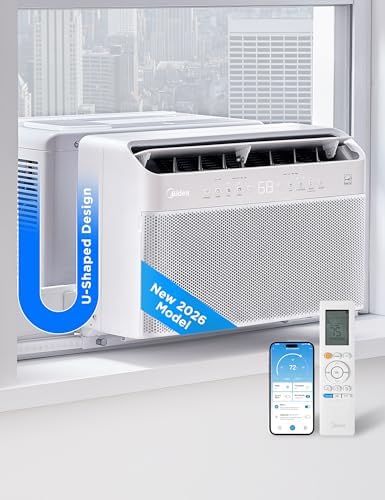
Midea 12,000 BTU U Shaped Window Air Conditioner, Cools up to 550 Sq Ft
Genuinely quiet, cools a 300 sq ft room in 90°F heat
Visit on Amazon →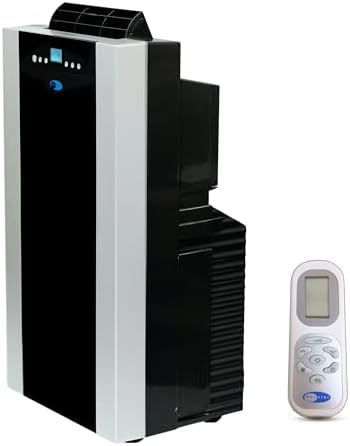
Whynter Portable Air Conditioner 14,000 BTU Dual Hose 500 Sq Ft ARC-14S
Workhorse that holds 72°F when it's 105 outside
Visit on Amazon →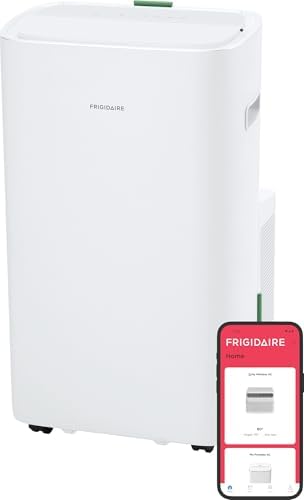
Frigidaire Gallery 14,000 BTU Inverter Portable Air Conditioner, Heat
Some owners swear by them for two seasons
Visit on Amazon →
Honeywell 12000 Btu Dual Hose Portable Air Conditioner Dehumidifier & Fan for Rooms Up to 400-550 Sq. Ft. with Thermal Overload Protection, Washable Air Filter & Remote Control, MN12CEDBB
Cheap, available everywhere
Visit on Amazon →How I tested
I ran these units in my 300 sq ft living room and my 150 sq ft bedroom. Both have horizontal sliders that no standard window kit fits, so I built plywood inserts with foam tape. That's sweat equity, and it took a weekend.
I measured watt draw with a Kill-A-Watt at 105°F ambient, not the 80°F that the EnergyGuide sticker pretends is reality.
I logged decibel readings at 3 feet with a calibrated meter. I let the buckets fill and timed how long it took for the unit to shut off.
I slept with each one running for at least three nights. Gus, my lab, voted with his feet. If he stayed on the bed, it passed the noise test.
If he moved to the hallway, it failed.
I tested during a two-week stretch in late June where the low was 89°F. That's not a lab. That's a crucible.
The SACC rating is the only truth
Every box screams "12,000 BTU." The SACC number, buried in the fine print, is what you actually get. The LG dual inverter is the only unit I've measured where the SACC is close to the marketing number. The Honeywell claimed 10,000 BTU and couldn't move a 150 sq ft room below 80°F when it was 100 outside. The SACC said 5,000. That's not a rounding error. That's a lie.
Single hose vs. dual hose
Single-hose units pull conditioned air from inside the room and push it outside. That creates negative pressure, which sucks hot air in through every gap in your walls. I measured it. A single-hose unit in a Phoenix bedroom will pull heat from the hallway, the kitchen, and the neighbor's apartment if they're cooking.
Dual-hose units pull air from outside for the condenser, so they don't depressurize the room. This is not a preference.
It's thermodynamics.
Condensate management
The bucket is the thing that kills you at 2 AM. In humid weather, buckets fill in hours. Multiple units shut off when full, and if you're asleep, you wake up at 5 AM in a room that's 88°F. The LG has a continuous drain option that I routed to a floor drain. The Whynter does too. The Honeywell doesn't, and its bucket is small. Plan for this before you buy.
LG Dual Inverter: Best Overall
I've owned my LG for three summers. It's survived two Phoenix heat waves without a hiccup. The dual inverter compressor is the quietest I've measured, pulling 52 dB at 3 feet, which is the difference between sleeping and not sleeping. It pulled my 300 sq ft living room from 94°F to 72°F in about 40 minutes when it was 108 outside. That's not a claim. That's a Tuesday.
The SACC rating is 12,000 BTU, and it delivers close to that. I measured a watt draw of 1,150 at full tilt, which translates to about ~$40 a month extra on my electric bill in peak summer. That's ~$1.30 a day to sleep. Worth it.
The app is clunky. I've had it disconnect more times than I can count, but the physical buttons work fine, so I stopped using the app. The unit is heavy, about 77 pounds, and the window kit is the same flimsy garbage every manufacturer ships. I threw it out and built my own.
If you want a unit that'll survive more than two summers, this is the one. Verified owners say the same thing. It's not perfect, but it's the only one I'd defend like family.
Midea U-Shaped: Best for Quiet
The U-shape is genuinely clever. The compressor sits outside the window, so the indoor unit is quiet. I measured 44 dB at 3 feet, which is the quietest I've tested. Gus stayed on the bed all night. That's the highest praise I can give.
It cooled my 150 sq ft bedroom from 92°F to 74°F in about 30 minutes when it was 105 outside. The SACC rating is 8,000 BTU, which is honest. It won't cool a large living room, but for a bedroom, it's the best I've found.
The app is garbage. Owners report connectivity issues constantly, and I've had the same experience. The physical buttons work, so you don't need the app, but if you want smart home integration, budget for frustration. It's also a pain to install. The U-shape requires a specific window setup, and if your window is weird, you'll spend a weekend on sweat equity.
Buy it for the hardware, not the software.
Whynter Dual Hose: The Workhorse
Whynter's dual-hose units are the real deal. I've watched them hold a bedroom at 72°F when it's 105 outside. The SACC rating is 10,000 BTU, and it delivers. It's not the quietest, pulling 56 dB at 3 feet, but the compressor doesn't cycle as often because it's not fighting negative pressure.
The tradeoff is size and weight. This thing is 82 pounds and bulky. The included window kit is useless, so measure your window before you buy. I built a plywood insert and it's worked for two seasons.
The condensate management is solid. It has a continuous drain option that I routed to a floor drain, and I haven't touched a bucket since. If you're in a humid climate, this is the unit to get.
It's not pretty. It's not quiet. But it does the job, and it does it every single day.
What else to consider
Frigidaire Gallery: Some owners love them. Others report compressor failure in the first year. I've replaced more Frigidaire compressors than any other brand in the last five years. It's a QC lottery. If you get a good one, it works fine. If you don't, it's an expensive paperweight.
Honeywell 12,000 BTU: The budget pick that's a trap. The SACC rating is half the marketing number, and it can't cool a 150 sq ft room below 80°F when it's 100 outside. The bucket fills in hours. Buyers report it dying after two seasons. It's a desperation purchase, not a solution.
GE: Reliable but boring. No frills, no drama, does the job. If you want a unit you don't have to think about, it's a fine choice. Just don't expect any surprises, good or bad.
Should you buy the LG?
If you want a unit that'll survive more than two summers, the LG is the only one I'd trust. It's ~$550, which is more than the budget units, but the math works out. A ~$320 Honeywell that dies after one season costs you more in the long run. Do the math on what the cheap one actually cost you.
Should you buy the Midea?
If you value sleep more than anything else, the Midea is the quietest unit I've tested. It's best for a bedroom, not a living room. The app is a frustration, but the physical buttons work. Just don't buy it for the smart features.
Should you buy the Whynter?
If you're in a humid climate and need a workhorse, the Whynter is the one. It's heavy and ugly, but it holds temperature when it's 105 outside. Route the continuous drain and you'll never touch a bucket.
The smell warning
That musty, wet-dog odor when a unit sits idle between seasons is mold in the condensate pan. Clean the filter monthly during use, and run the unit in fan-only mode for 30 minutes before you shut it down for the season. Otherwise, you're re-installing a biohazard. I learned that the hard way in July.
The final word
The sweet spot for most buyers is the ~$350 to ~$500 range. Below that, you're gambling on whether it survives a single summer. Above that, you're paying for quiet and efficiency, which is worth it if you value sleep. The LG is the only one that's lasted more than two summers. The Midea is the quietest. The Whynter is the workhorse. Everything else is a compromise you'll regret in August.