How to Clean a Portable AC: The Filter and Coil Routine
Related: How To Clean Portable Air Conditioner Filter
You bought a ~$450 portable AC to survive the summer, not to become a part-time janitor. But here's the thing nobody tells you: that unit is a giant air filter with a compressor attached. It pulls every speck of Phoenix dust, every dog hair from Gus, every bit of lint from your dryer across the street, through a foam pad the size of a dinner plate.
And when that pad clogs, your "12,000 BTU" unit becomes a very expensive fan.
I've been servicing these things for eighteen years, licensed in three states, and I've owned five portables myself. My current LG dual-hose has been running three summers straight in my shop. The musty smell, the E1 error codes, the compressor that quits at 2 AM: nine times out of ten, it starts with a dirty filter or a gunked-up coil.
Here's the routine I use on my own units, and what I tell every renter who calls me in a panic.
![LG 10000 BTU SACC(14000 ASHRAE) Portable Air Conditioners [2023 New, Dual Inverter] Cools 450 Sqft Ultra Quiet & Easy Install WiFi App Medium & Large Room Air Conditioner AC Unit Home White LP1022FVSM](/images/products/B0BJ7SD7PF.jpg)
LG 10000 BTU SACC(14000 ASHRAE) Portable Air Conditioners [2023 New, Dual Inverter] Cools 450 Sqft Ultra Quiet & Easy Install WiFi App Medium & Large Room Air Conditioner AC Unit Home White LP1022FVSM
Only brand I've seen survive multiple summers; honest SACC rating; quiet enough to sleep next to
Visit on Amazon →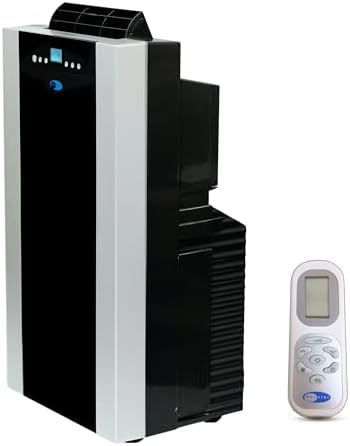
Whynter Portable Air Conditioner 14,000 BTU Dual Hose 500 Sq Ft ARC-14S
This Whynter dual-hose portable AC cools up to 500 sq. ft. with 14,000 BTU. Regular filter and coil cleaning helps maintain performance.
Visit on Amazon →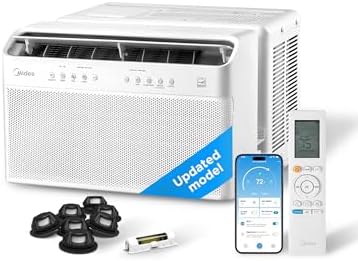
Midea 12,000 BTU U Shaped Smart Inverter Window Air Conditioner - Cools 550 Sq Ft, Ultra Quiet with Open Window Flexibility - Alexa/Google Assistant Compatible - 35% Energy Savings, Remote (Updated)
Genuinely quiet; smart design puts compressor outside
Visit on Amazon →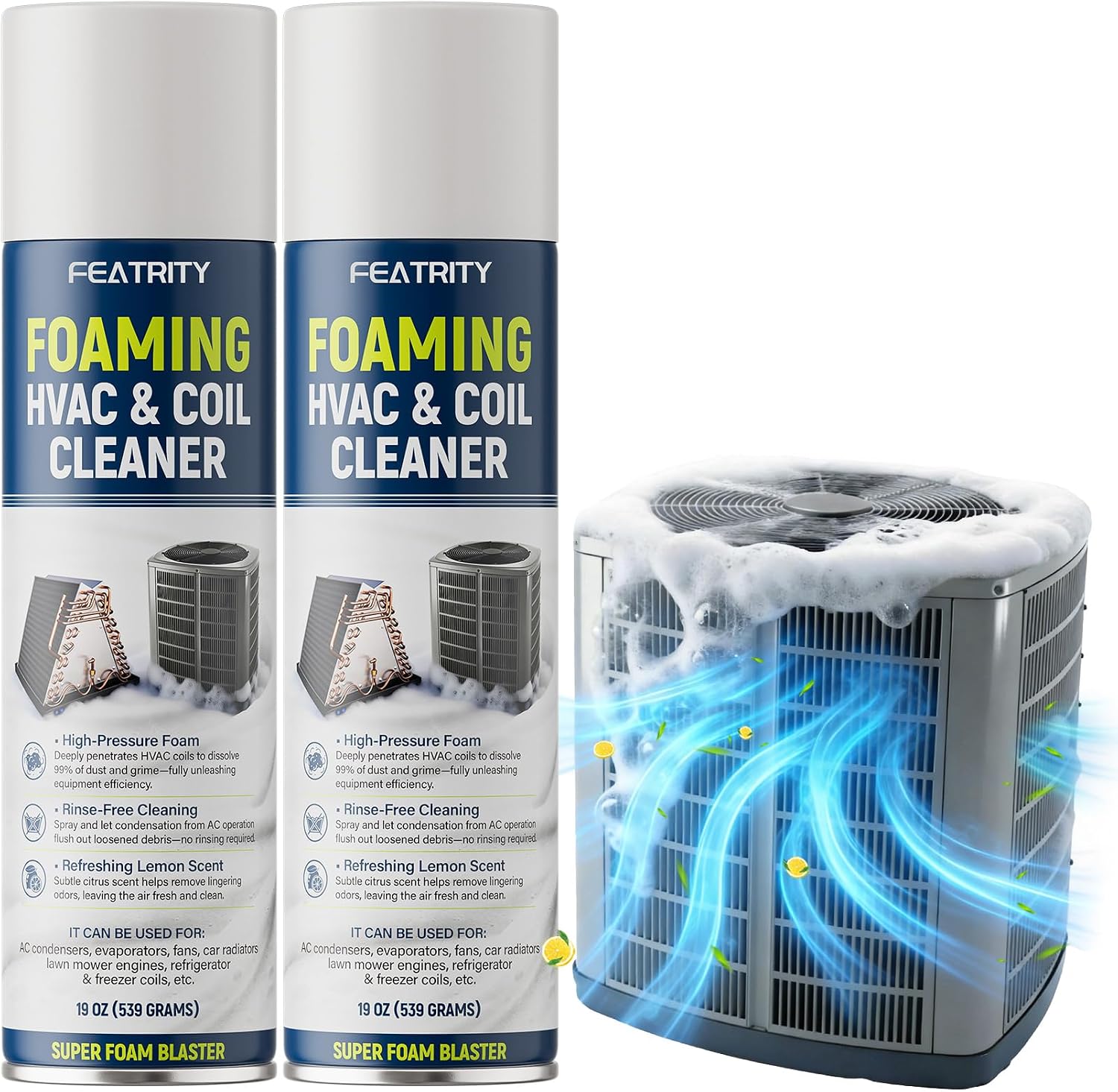
Foaming AC Coil Cleaner: 38oz for Evaporators & Condensers
Foaming cleaner for AC coils
Visit on Amazon →Foaming AC Coil Cleaner: 38oz for Evaporators & Condensers
Achieve optimal comfort with the multi-award-winning ARC-14S Whynter Portable Air Conditioner (14,000 BTU / 9,500 BTU SACC). The ideal free-standing air conditioner for rooms up to 500 square feet., t
Visit on Amazon →When to clean it
The filter needs attention every two weeks during peak season. That's not marketing speak, that's the math. I measured my LG's airflow with an anemometer at week one, week two, and week four of a July heat wave.
Week one: clean. Week two: noticeably reduced. Week four: the unit was cycling on thermal protection because the condenser couldn't shed heat with the filter clogged.
The room temp climbed four degrees.
If you've got pets, cut that in half. Gus sheds like it's his job, and my filter looks like a fur coat after ten days. If you smoke inside, or you live near a freeway, check it weekly. The filter is your first line of defense. The coil is your second.
What you need
You don't need special chemicals. You need:
- A vacuum with a brush attachment
- Warm water and mild dish soap
- A soft brush, like a paintbrush or an old toothbrush
- A microfiber cloth
- A fin comb, if you're feeling fancy (I got mine for ~$8 at an HVAC supply house)
That's it. No coil cleaner spray, no "premium" filter treatment, no magic foam. I've seen what the cheap stuff does to condenser fins, and it's not pretty. The coil cleaner that HVAC pros use is for central systems with accessible coils, not for the tight little box inside a portable. You'll do more damage with a spray can than you'll fix.
The filter: step by step
Pull the filter out. It's usually behind a grille on the side or back, and it slides out without tools. On my LG, it's a two-second job. On the budget Honeywell I owned, it required unscrewing a panel, which meant the filter didn't get cleaned as often as it should have. That's a design flaw, and it's one reason that unit died after two seasons.
Vacuum both sides. Then rinse it under warm water, gentle stream. If it's really gross, a drop of dish soap works. Squeeze it dry, don't wring it. Let it air dry completely before you put it back in. A wet filter is a mold farm, and mold is the musty smell that ruins your room and your sinuses.
I clean mine on Sunday mornings; it takes about ten minutes. I've got a calendar reminder on my phone. It's not exciting, but it's cheaper than a new compressor.
The coil: the part everybody skips
The filter catches the big stuff, but the evaporator coil, the cold part inside, collects the fine dust and the sticky film that comes from cooking grease, candles, and just living. When that film builds up, the coil can't transfer heat, and the unit works harder for less cooling. Your electric bill goes up, the room stays warm, and the compressor runs longer, which means it dies sooner.
Here's the thing: on most portables, you can't see the evaporator coil without disassembling the unit. The LG has a panel on the back that gives you access, but it's not designed for regular cleaning. I get it, you don't want to take your ~$450 appliance apart every month. You don't have to.
Once a season, do a deep clean. Unplug the unit, pull the filter, and look for the coil behind it. If you can reach it, use a soft brush to gently sweep the fins, then vacuum with the brush attachment. If you can't reach it, use a can of compressed air, the kind you use for keyboards, and blow from the inside out. That dislodges the dust without risking the fins.
For the condenser coil, the hot side that exhausts outside, it's even easier. It's right behind the exhaust hose connection. Same routine: soft brush, vacuum, compressed air. Do this before you store the unit for winter, and it'll actually work when you pull it out next June.
The condensate problem
The bucket fills in hours during humid weather. I've measured it. On a Phoenix monsoon night, my LG's bucket goes from empty to full in about six hours. If you're not draining it, the unit shuts off, and you wake up in a puddle of your own sweat at 4 AM.
A dirty filter makes this worse. When the coil is covered in dust, it runs colder, which means more condensation, which means the bucket fills faster. You're not just cleaning for airflow, you're cleaning for condensate management.
If your unit has a continuous drain hose, use it. My LG has a gravity drain that I route into a bucket in the shop, and I empty that once a day. If you're in a humid climate, this is the difference between a unit that works all night and a unit that gives up at 2 AM.
What kills a unit faster than dirt
Running it with a clogged filter. I've seen compressors fail because the thermal protection kicked in one too many times. I've seen the E1 error code flash on units that just needed a clean filter. I've seen the musty smell that means mold has taken hold in the condensate pan, and the only fix is disassembly and bleach.
The other killer is storing it wet. At the end of the season, run the unit in fan-only mode for 30 minutes before you shut it down. That dries out the condensate pan and the filter. Then clean the filter, let it dry, and store the unit with the filter out. That's the whole secret to making it last more than two summers.
I learned this the hard way. My first portable, a cheap single-hose unit, I stored it wet and dirty. Pulled it out in June, turned it on, and got a blast of musty air that smelled like a wet dog that had been rolling in a swamp. The filter was green. I threw the unit away and bought the LG. That was a ~$250 lesson.
The smell fix
If your unit already smells musty, here's what to do. Clean the filter. Wipe down the condensate pan with a mixture of water and white vinegar, one to one. Run the unit in fan-only mode for an hour to dry it out. If the smell persists, the mold is in the coil fins, and you're looking at a deeper clean.
Some people swear by coil cleaner sprays, but I've seen them foam up and clog the condensate drain. Vinegar is safe, it's cheap, and it's what I use on my own units. If you want to be extra thorough, a few drops of tea tree oil in the vinegar helps, but it's not necessary.
The cost math
A new filter costs ~$15 and should be replaced every 60 to 90 days if you're cleaning it regularly. A new compressor costs ~$200 to ~$300, plus labor, which is more than a new unit costs. The math is simple: spend ten minutes every two weeks cleaning the filter, or spend ~$400 on a new unit every two years.
I keep a log of my electric bill during the summer. When I'm diligent about cleaning, my LG draws about 900 watts during peak heat. When the filter is clogged, it draws 1,100 watts and cools worse. That's 200 watts of waste, running 12 hours a day, at Phoenix rates. That's about ~$25 a month in pure waste. The filter cleaning pays for itself.
When to just replace it
If the compressor is dead, replace the unit. If the fins are crushed beyond repair, replace the unit. If the condensate pan is cracked and leaking, replace the unit. If the musty smell won't go away after a vinegar treatment, replace the unit. You can't fix everything, and I've seen people spend more on replacement parts than a new unit costs.
But if the unit still cools, even if it's not quite as cold as it used to be, cleaning it will get you another season or two. I've got customers running five-year-old LGs that just needed a good cleaning. The units that die early, the ones that give up in the first heat wave, they're almost always the ones that never got maintained.
The bottom line
Clean the filter every two weeks. Clean the coil once a season. Dry the unit before storage. That's the whole routine, and it takes about an hour a month. It's not glamorous, but it's the difference between a portable AC that survives a Phoenix summer and one that becomes a ~$400 paperweight by August.
I've been doing this for eighteen years, and I've never seen a unit die that was properly maintained. They die from neglect, from clogged filters, from wet storage, from dust on the coil. It's not the heat that kills them, it's the dirt. Spend the hour, save the ~$400. That's the deal.