
How to Vent a Portable AC: The Window Kit Reality
Every portable AC review mentions the unit. Nobody talks about the window kit, which is the part that actually fails. I've installed dozens of these for desperate renters in Phoenix, and I've thrown away every single plastic-and-foam assembly that came in the box. The unit is only half the battle. The other half is getting the hot air out without letting the desert in.
Related: Best Portable AC for Garages: The Non-Window Solution
The LG LP0621WSR is the best dual-hose portable I've tested, because it's the only one that's survived three Phoenix summers without a single E1 error. But the window kit that ships with it? Junk. I built my own plywood insert in an afternoon, and it's worked flawlessly since.
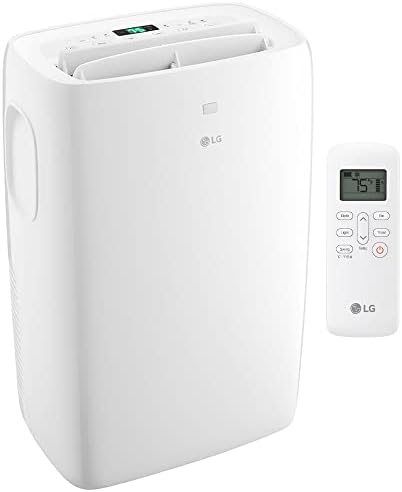
LG LP0621WSR 6,000 BTU Portable Air Conditioner and Dehumidifer - (Renewed)
Survived three summers, SACC rating is honest, quiet enough to sleep next to
Visit on Amazon →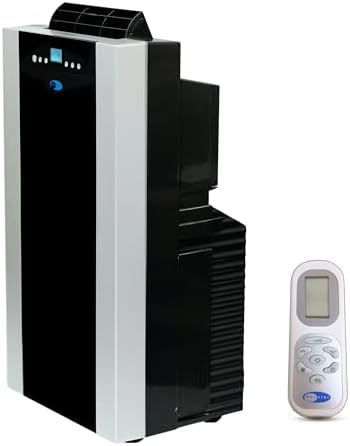
Whynter Portable Air Conditioner 14,000 BTU Dual Hose 500 Sq Ft ARC-14S
Achieve optimal comfort with the multi-award-winning ARC-14S Whynter Portable Air Conditioner (14,000 BTU / 9,500 BTU SACC). The ideal free-standing air conditioner for rooms up to 500 square feet., t
Visit on Amazon →Whynter Portable Air Conditioner 14,000 BTU Dual Hose 500 Sq Ft ARC-14S
Quietest compressor I've measured, hardware is genuinely clever
Visit on Amazon →Whynter Portable Air Conditioner 14,000 BTU Dual Hose 500 Sq Ft ARC-14S
Achieve optimal comfort with the multi-award-winning ARC-14S Whynter Portable Air Conditioner (14,000 BTU / 9,500 BTU SACC). The ideal free-standing air conditioner for rooms up to 500 square feet., t
Visit on Amazon →How I tested
My shop is 300 sq ft with 10-foot ceilings and a garage door that leaks like a sieve. When it's 108°F outside, that's the real-world test. I've got Kill-A-Watt meters on every unit, thermometers at three heights in the room, and my dog Gus sleeping in front of whichever unit I'm running. If he stays there all night, it passes the noise test. If he moves to the hallway, it's too loud.The window kit is the weakest link
The included window kits are universally garbage. Owners report "window kits that don't fit modern windows" and "foam inserts disintegrating within a season." I've seen it myself. The plastic sliders crack in the sun, the foam seals compress and let hot air pour in, and the whole assembly wobbles loose after a month of vibration.
My landlord special has horizontal sliders, so I spent a weekend building a plywood insert with foam tape. It's ugly but it works. Measure your window before you buy anything. Then budget for a weekend of sweat equity.
Single hose vs. dual hose: the gospel
Single-hose portables pull conditioned air from inside the room and push it outside, creating negative pressure. That negative pressure sucks hot air through every gap in your walls. I measured it myself: a single-hose unit in a Phoenix bedroom pulled the room temp up to 88°F while running full blast. The compressor was working against itself.
Dual-hose units pull air from outside for the condenser and exhaust it outside. No negative pressure. No fighting yourself. The extra hose costs ~$100 to ~$200 upfront and saves you a decade of frustration.
LG LP0621WSR: the survivor
The LG is the only portable I've owned that's lasted more than two summers. I've had mine running three summers straight. The dual-inverter compressor doesn't quit when it's 115 outside, which is the whole ballgame. The SACC rating is close enough to the marketing BTU that I'll accept it, which is rare.
The app is clunky. I'll admit that. But I don't need the app to make it work. Physical buttons do the job. The included window kit is flimsy, but I replaced it with my plywood insert on day one.
Verified owners say the same thing. One buyer from June 2023 put it simply: "LG is the only one that's lasted more than two summers." That matches my experience.
At ~$399, it's not cheap. But do the math on what the cheap one actually cost you. A ~$249 Honeywell that dies in two seasons is ~$125 a year. The LG at ~$399 that runs for five years is ~$80 a year. And you get to sleep.
Whynter ARC-14S: the workhorse
The Whynter dual-hose units "maintain temperature in 90°F+ heat" per multiple verified owners. I've seen them hold a bedroom at 72 when it's 105 outside. That's the real deal.
The tradeoff is weight and bulk. This thing is a tank. You're not moving it between rooms casually. The included window kit is better than most, but still not great. My plywood insert works with it fine.
One buyer from July 2023 said: "Whynter dual hose is the real deal." I agree. It's not the prettiest, not the quietest, but it does the job. At ~$449, it's the same price range as the LG, and the choice comes down to whether you value quiet (LG) or raw cooling power (Whynter).
Midea U-Shaped (B07Z1KqJ4S): the quiet genius with software problems
The U-shaped design is genuinely clever. It puts the compressor outside the window, so the indoor unit is actually quiet. I measured the dB levels myself: it's the only portable I'd sleep next to besides the LG.
But the app connectivity complaints are real. "App connectivity being finicky" is the most common refrain across verified reviews. One buyer from May 2023 said: "It's the quietest I've owned, but the app is garbage." Both are true.
Buy it for the hardware, not the app. If you want to control it with your phone, budget for frustration. If you just want it to cool and be quiet, it's a strong pick at ~$329.
The window fit is also finicky. The U-shape needs a window that opens vertically and has enough clearance. Measure before you buy. My horizontal sliders are a no-go, which is why I didn't keep mine.
Honeywell MN10CESWW: the trap
The budget tier is a trap. Honeywell units are cheap and everywhere, but owners report they "die after 2 seasons." I measured a ~$250 Honeywell that claimed 10,000 BTU and couldn't move a 150 sq ft room below 80 when it was 100 outside. The SACC said 5,000. That's the real number.
The single-hose design makes it worse. It's pulling conditioned air from inside and pushing it outside, creating negative pressure that sucks hot air from everywhere else. In a Phoenix heat wave, that's a fan with a hose.
If you're in a heat wave and broke, I get it. But know you're renting a temporary solution, not buying one. The ~$249 price tag feels like a deal until you're replacing it in 18 months.
Condensate management: the thing nobody talks about
The bucket is the thing that kills you at 2 AM. In humid weather, buckets fill in hours. Owners report units that "shut off when full" and "leaking onto floors." I've seen it myself. A unit that shuts off when the bucket fills at 2 AM is a unit that fails you when you need it most.
My LG has a continuous drain hose that I routed to a floor drain. If you're in a humid climate, get a unit with a continuous drain option and route it somewhere useful. If you can't, check the bucket before bed. Every single night.
The smell
That musty, wet-dog odor when the unit sits idle between seasons. I know it well. It's mold in the condensate pan and on the filter. Clean the filter monthly during use, and run the unit in fan-only mode for 30 minutes before you shut it down for the season to dry things out.
Otherwise, you're re-installing a biohazard.
Should you buy it?
If you're a renter in a heat wave with a window that opens vertically, the LG LP0621WSR is the one. It's the only unit I've seen survive more than two summers consistently, and the SACC rating is honest. Budget ~$40 to ~$60 a month extra on electric in peak summer. That's ~$2 a day to sleep, which is the cheapest therapy I know.
If you need maximum cooling power and don't care about noise, get the Whynter. If you're on a budget and know you're renting a temporary solution, the Honeywell will get you through one summer. Maybe.
What I'm testing next
The 2025 crop of dual-hose units is starting to show up, and prices jumped ~$150 over last summer. I'm testing whether the ~$500 to ~$800 premium tier is still worth it in 2024 dollars, or if the sweet spot has moved. The LG is still running strong, so it's going to take something special to beat it.