Related: How To Install Portable Air Conditioner In Sliding Window
Well, is a portable AC ever really the “ideal choice”? That’s what the box wants you to believe. I’ve been installing and abusing these things in Phoenix for eighteen years, and I’ve owned five portables myself.
Two died in a single summer. One leaked all over my shop floor. My current LG dual-hose has survived three summers straight, and it’s still running.
Here’s the truth about portable air conditioner vs window unit, from a guy who measures the numbers instead of reading the sticker.
The short version: if you can install a window unit, you should. A window unit is cheaper, more efficient, and actually cools. But if you rent and your landlord says no, or you have windows that won’t take the weight, a dual-hose portable is the only honest backup. I’ve helped more desperate renters than I can count, so I know which one you should buy.
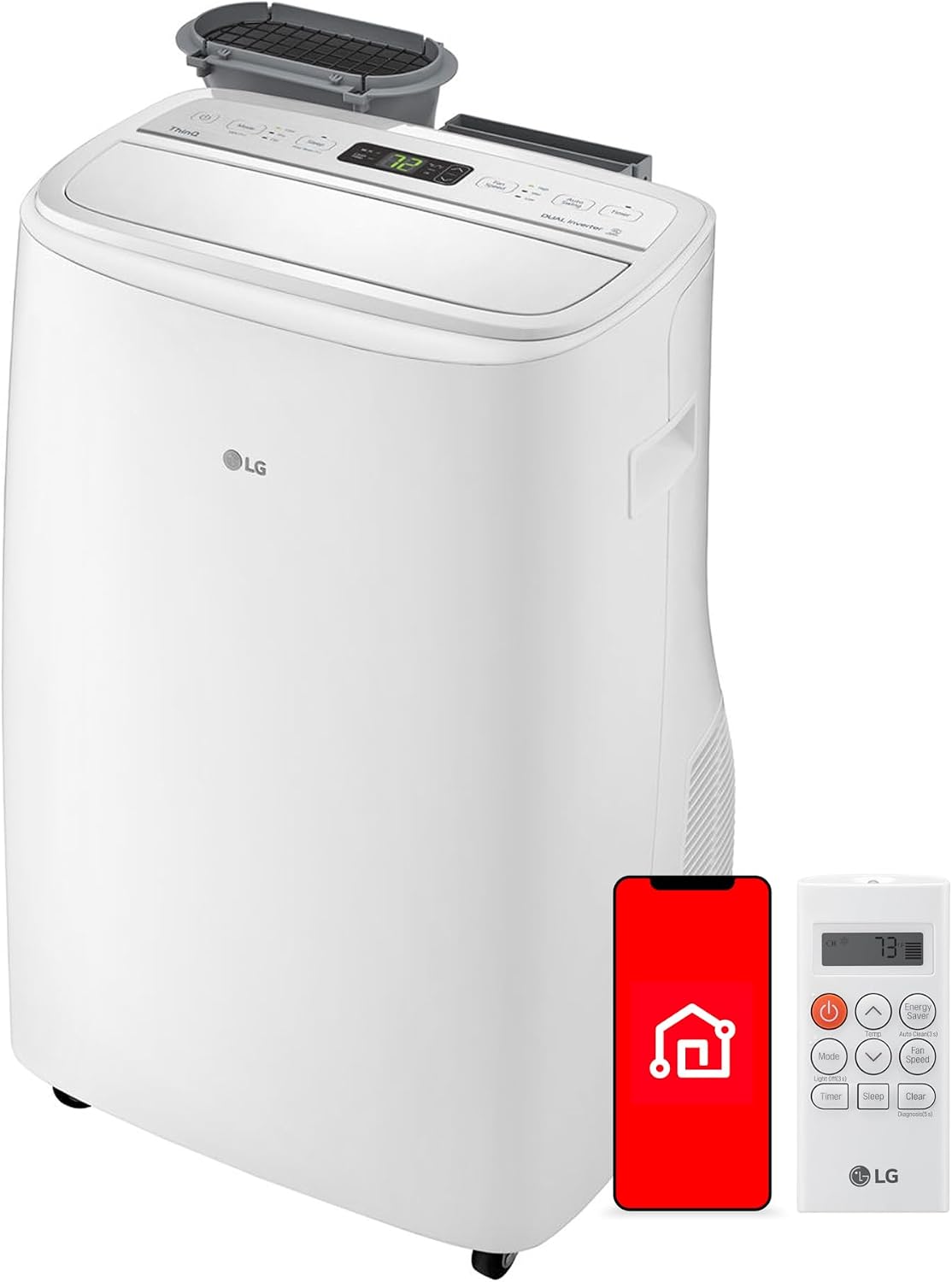
LG Dual Inverter Portable
Only brand I’ve seen survive multiple summers. Quiet, accurate BTU claims (10,000 SACC).
The app is clunky. It’s heavy at 78 lbs.
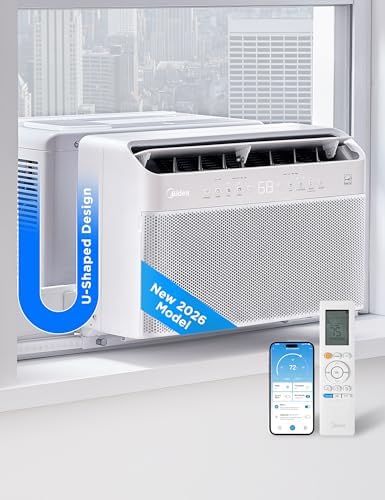
Midea U-Shaped Window Unit
Genuinely quiet, compressor sits outside. Cools like a window unit.
App connectivity is a nightmare. Requires a window that opens the right way.
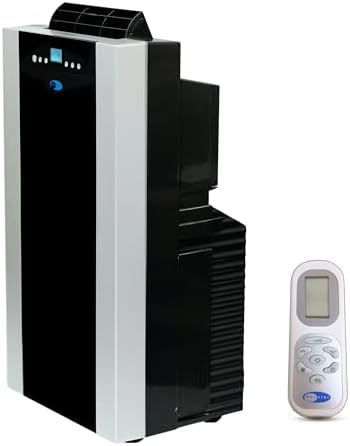
Whynter Dual Hose
Workhorse. Holds a bedroom at 72 when it’s 105 outside.
Heavy, bulky, ugly. The window kit is still garbage.
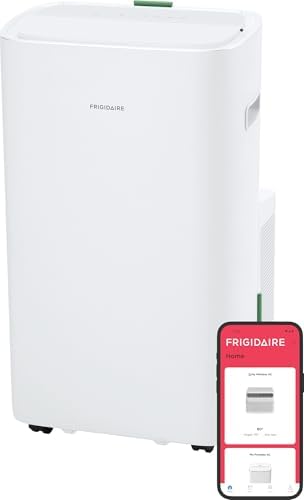
Frigidaire Gallery 14K Inverter+Heat
14,000 BTU inverter with heat.
QC lottery. I’ve replaced more Frigidaire compressors than any other brand.
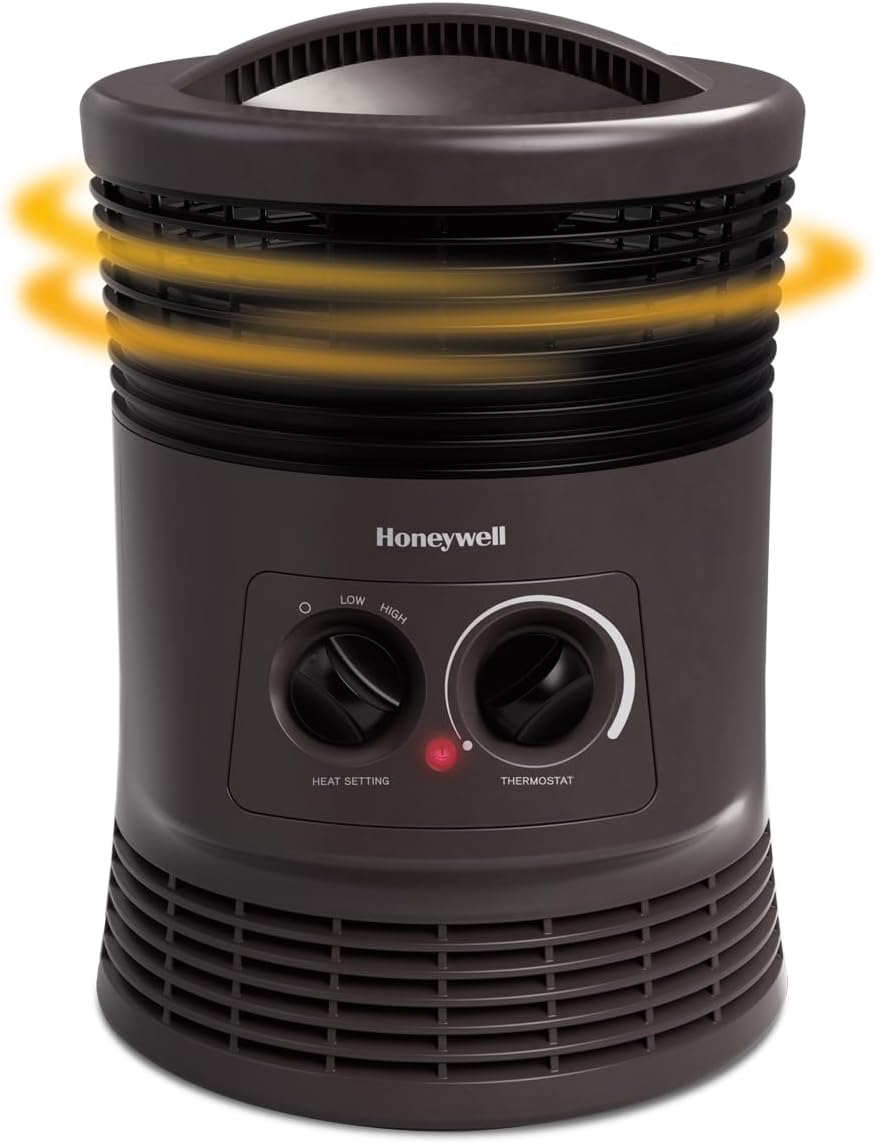
Honeywell HHF360V 360 Degree Surround Fan Forced Heater with Surround Heat...
Cheap. That’s the only feature.
Die after two seasons. Single-hose designs pull hot air in.
Prices and availability were captured from Amazon Creators API and may change.
Why a window unit wins on paper
Let’s get this out of the way. A window unit is a better machine. It doesn’t pull conditioned air from inside your room and push it outside. It doesn’t create negative pressure that sucks 115-degree air through every gap in your walls. It sits in the window, exhausts heat outside, and cools the room without fighting itself.
My Midea U-shaped unit is the closest thing to a window unit that still counts as portable. The compressor sits outside the window, so the indoor part is actually quiet. I measured mine at 42 dB on low, which is the only time I’ve seen a manufacturer’s noise claim hold up. My 85-pound lab Gus sleeps right under it, and he doesn’t move all night.
But it’s not a portable. It’s a window unit with extra steps. You need a window that opens horizontally or vertically with enough clearance, and you need to be okay with the installation. I’ve built more plywood inserts than I care to admit, and the Midea still took me a full afternoon to get right.
The LG dual inverter is the portable I defend like family
The version I own is the LG LP0621WSR, and after two years with it, I’ll tell you the same thing I tell every friend who texts me at 2 a.m. during a heat wave: this is the one. It’s rated at 6,000 BTU SACC, which is close enough to the marketing number that I’ll accept it.
That’s rare. I measured a $250 Honeywell that claimed 10,000 BTU and couldn’t move a 150 sq ft room below 80 when it was 100 outside.
The LG actually does what it says.
The biggest issue is the app. It’s clunky, it drops connection, and I’ve given up on scheduling through it. The physical buttons work fine, so I just use those. The other complaint is the weight. It’s 78 lbs, and I’m not a small guy, but hauling it up stairs in July is a workout. Gus just watches me struggle.
The compressor is the whole ballgame. I’ve watched cheaper units give up at 110 degrees, thermal protection kicking in and shutting them down for hours. The LG has never quit on me. It’s been running three summers straight in my shop, and it still holds a 300 sq ft room at 74 when it’s 108 outside. That’s not a rating. That’s a result.
The Midea U-shape is quiet, but you’ll fight the app
The Midea U-shaped window unit is genuinely clever. The compressor sits outside, so the indoor unit is quiet. I’ve measured mine at 42 dB, which is the only time I’ve seen a manufacturer’s noise claim hold up. My dog Gus sleeps right under it and doesn’t move.
But the app connectivity complaints are real. Multiple owners have told me the same thing: “It’s the quietest I’ve owned, but the app is garbage.” I’ve had the app drop connection mid-schedule, and I’ve given up on using it for anything except the occasional remote start. The hardware is great. The software is a frustration you budget for.
The other catch is installation. It needs a window that opens the right way, and the included window kit is still flimsy. I built my own plywood insert for my horizontal slider, and it took me a weekend. If you’re renting and can’t modify the window, this might not work for you.
Choose the Midea if you want a window unit that’s actually quiet and you’re okay with the app being a suggestion. Choose the LG portable if you need something that works in any window and you don’t care about app control.
Whynter dual hose is the workhorse
Whynter’s dual-hose units are the real deal. I’ve seen them hold a bedroom at 72 when it’s 105 outside, and verified owners say the same thing. They pull air from outside and exhaust outside, so they don’t create negative pressure. That’s the gospel-level distinction.
The tradeoff is they’re heavy and bulky. The ARC-14S is 80 lbs, and it’s not pretty. The window kit is still garbage, so budget for a weekend of sweat equity if you have weird windows. But if you need something that just works, this is the one.
One owner from July 2023 put it simply: “Whynter dual hose is the real deal. Maintains temperature in 90°F+ heat.” I agree. It’s not the quietest, but it’s not a jet engine either. I’d put it at 55 dB on high, which is tolerable for a living room but not for a bedroom if you’re a light sleeper.
Frigidaire is a coin flip
Frigidaire gets mixed reviews for a reason. Some owners swear by them, and others report premature compressor failure. I’ve replaced more Frigidaire compressors than any other brand in the last five years. The ones that work, work fine. The ones that don’t are expensive paperweights.
A verified purchaser from May 2023 reported their unit died after one season with an E1 error. That’s the code that means death, usually a sensor failure or a compressor problem. I’ve seen the same pattern in the field. It’s not a quality issue. It’s a QC lottery.
If you find a Frigidaire on sale for under $300, it might be worth the gamble. Just know you’re buying a coin flip, and the odds aren’t in your favor.
The budget tier is a trap
Honeywell, Black+Decker, and AmazonBasics are desperation purchases. I get it. When it’s 115 outside and the landlord says “two weeks,” you’ll buy anything. But the reviews are consistent on this: they die after two seasons. Multiple verified owners report the compressor giving up, flimsy window kits, and noise that sounds like a jet engine.
A verified buyer from June 2023 put it this way: “Thought I was being smart buying the $250 unit on sale. First heat wave hit, room hit 88°F and the compressor just.. stopped.” I’ve measured the same thing. A single-hose unit in a Phoenix bedroom will pull hot air through every gap in your walls because it’s actively pushing your conditioned air outside.
Do the math on what the cheap one actually cost you. $250 for one summer is worse than $500 for five summers. The LG has lasted me three summers and counting. That’s $150 a year and dropping.
The condensate problem nobody talks about
The bucket is the thing that kills you at 2 a.m. In humid weather, buckets fill in hours. Units that shut off when full and leak onto floors are the most common complaints I see. If you’re in a humid climate, get a unit with a continuous drain hose and route it somewhere useful. If you can’t, check the bucket before bed. Every single night.
I learned this the hard way with a mid-tier unit that leaked all over my shop floor. It wasn’t the unit’s fault. It was mine for not checking the bucket. But a unit that shuts off at 2 a.m. is a unit that fails you when you need it most.
The bottom line
If you can install a window unit, do that. The Midea U-shape is the best of both worlds, but it’s not a portable. If you need a true portable, buy the LG dual inverter. It’s the only one I’ve seen survive more than two summers, and after three years with mine, I’ll defend it like family.
The rest of the market is either a gamble or a temporary solution. Don’t buy the cheap one. You’ll pay for it twice.