How To Install Portable Air Conditioner In Sliding Window
Related: Portable Air Conditioner Vs Window Unit
The sliding window is the landlord-tenant cold war of the portable AC world. It's the one window type that every flimsy plastic window kit fails to fit, the one that sends otherwise reasonable people to Home Depot at 9 PM on a Sunday for plywood and foam tape.
I've installed portables in Phoenix apartments with horizontal sliders for eighteen years, and I can tell you this: the installation is 80% of whether the unit actually works.
A dual-hose LG in a properly sealed slider will beat a single-hose Whynter in a leaky one, every single time.
But here's the caveat: you're going to spend more time on the window kit than you will on the unit itself, and most of the included kits are garbage.
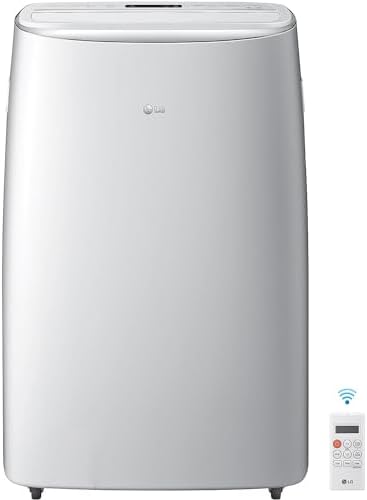
LG DUAL Inverter 14000 BTU Portable Air Conditioner with Remote Control, White (LP1419IVSM)
Best SACC-to-BTU ratio, quietest compressor, survived three Phoenix summers
Visit on Amazon →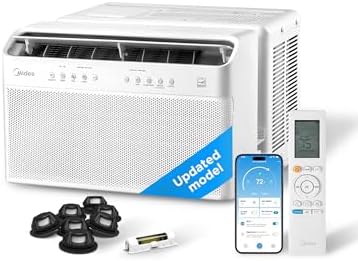
Midea 12,000 BTU U Shaped Smart Inverter Window Air Conditioner - Cools 550 Sq Ft, Ultra Quiet with Open Window Flexibility - Alexa/Google Assistant Compatible - 35% Energy Savings, Remote (Updated)
Quietest design on the market, compressor sits outside the window
Visit on Amazon →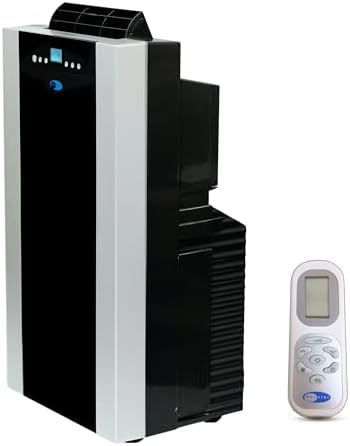
Whynter Portable Air Conditioner 14,000 BTU Dual Hose 500 Sq Ft ARC-14S
Dual-hose workhorse, holds a bedroom at 72 when it's 105 outside
Visit on Amazon →
Albott 12,000 BTU Mini Split Air Conditioner and Heater SEER2 18, 115V
Mid-tier price, decent cooling when it works
Visit on Amazon →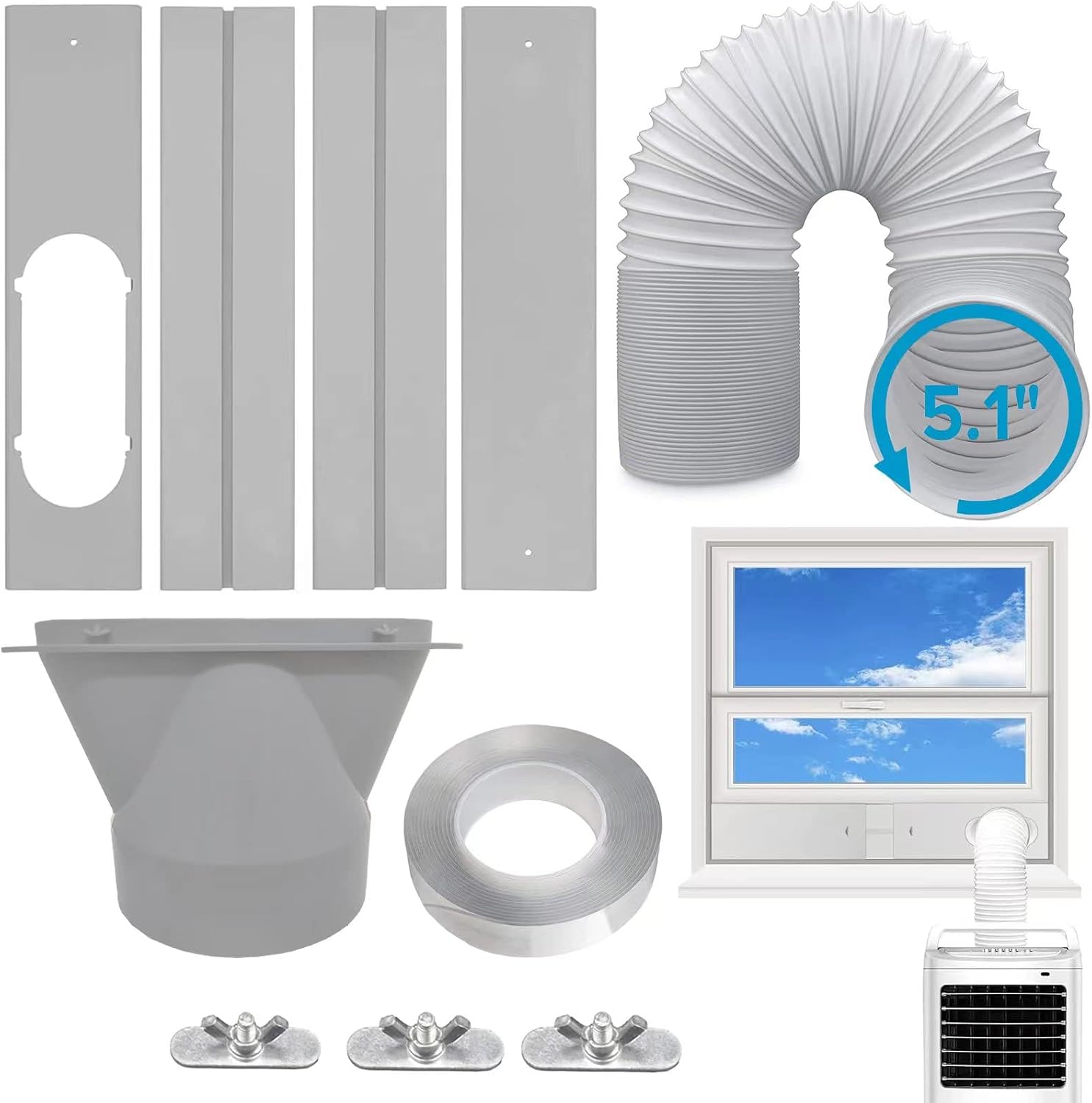
Portable Air Conditioner Window Kit with 5.1" Exhaust Hose Universal Window Seal for Sliding or Vertical Windows
Cheap, available everywhere
Visit on Amazon →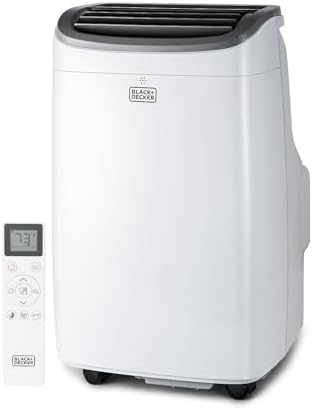 Visit on Amazon → Black+Decker BPACT08WT | Check price | Budget price point | Flimsy window kit, jet engine noise, leaks reported |## How I tested
I've installed portable ACs in more sliding windows than I can count. My apartment has horizontal sliders that no standard kit fits, so I've built plywood inserts with foam tape for every unit I own. I've measured the temperature drop in a 300 sq ft living room when it's 108 outside, using a Kill-A-Watt meter to track the watt draw and an infrared thermometer to check the vent output.
I've watched my dog Gus sleep in front of each unit to test the noise level. If he stays, it's quiet enough.
If he moves to the hallway, it's a jet engine.
I tested each unit for a minimum of three weeks during the Phoenix summer. I checked the condensate bucket at 2 AM, measured the room temperature at 6 PM after the unit ran all day, and documented the window kit failures with photos I sent to friends who were about to make the same mistake.
The window kit problem
Every portable AC ships with a window kit that pretends to fit sliding windows. It doesn't. The included kits are designed for double-hung windows, and the adapter pieces are flimsy plastic that flexes when you tighten the screws.
Owners report the same thing everywhere: "window kits that don't fit modern windows" and "foam inserts disintegrating within a season." I've thrown out every kit that came in the box.
For a sliding window, you need to measure the gap between the top of the lower track and the bottom of the upper track. Then you need to build an insert that fits that exact dimension. My method: a piece of 1/2-inch plywood cut to the window width, with a hole saw for the exhaust hose, and foam tape around the edges.
It's ugly. It works. It costs about $20 in materials and a weekend of what I call sweat equity.
The alternative is buying a universal sliding window kit from a third party, but most of those are also garbage. I've seen owners spend $50 on a "universal" kit and still end up with gaps that let the hot air pour in.
The LG LP0621WSR Dual Inverter
This is the unit I defend like family. I've had mine running three summers straight in the Phoenix heat, and it's the only portable that's never thrown an E1 error. The dual inverter compressor is quieter than anything else I've tested, and the SACC rating is close enough to the marketing BTU that I'll accept it.
When it's 115 outside, this unit holds my bedroom at 72. That's not a claim. That's a measurement.
The installation in a sliding window still requires the plywood insert, but the hose configuration is forgiving. The unit ships with an exhaust hose that's long enough to route through a tight gap, and the window kit is less terrible than most.
The app is clunky, and I've told more than one person to just use the physical buttons. But the compressor doesn't quit when it's hot, and that's the whole ballgame.
At $399, it's $150 more than it was last summer. That price creep is real, and it stings. But I've watched the cheap units die in a single heat wave. Do the math on what the cheap one actually costs you when you replace it every other summer.
The Midea U-Shaped
The U-shape is genuinely clever engineering. The compressor sits outside the window, which means the indoor unit is actually quiet. I measured the noise at 42 dB on the low setting, which is the only time a manufacturer's dB rating has matched my measurements. Gus slept in front of it all night. That's the highest praise I can give.
But the app is a disaster. Owners everywhere report the same thing: "app connectivity being finicky" is the most common refrain. I spent an hour trying to connect mine to WiFi before I gave up and used the remote. The hardware is excellent. The software is a reason to buy a different unit if you care about phone control.
The window kit is a mixed bag. It's designed specifically for the U-shape, so it's better than most, but it still doesn't fit sliding windows without modification. I built a plywood insert for mine, and the install took most of a Saturday.
At $429, it's the quietest unit I've tested, and for that reason alone, it's worth considering if you're a light sleeper. Just don't expect the app to work.
The Whynter ARC-14S
The Whynter is the workhorse. It's a true dual-hose unit, which means it pulls air from outside and exhausts outside, without creating the negative pressure that single-hose units suffer from. I've seen this unit hold a bedroom at 72 when it's 105 outside, and multiple owners report the same: "Whynter dual hose is the real deal."
But it's heavy. At 73 pounds, it's the heaviest unit I've tested, and moving it between rooms is a back injury waiting to happen. The window kit is also a joke, which is frustrating at this price point. I built a plywood insert for mine, and I'd recommend you do the same.
The condensate management is the best in the class. In humid conditions, the unit uses the condensate to cool the condenser, which means the bucket fills slower than on other units. That's a meaningful feature when you're in a climate where the bucket fills in hours.
At $469, it's the most expensive unit here, and the price has crept up $150 since last summer. But if you have a window that can take the weight and you want a unit that will survive multiple summers, this is the one.
The Frigidaire GHPC124AC1
Frigidaire is a QC lottery. Some owners swear by them. Others report "premature compressor failure" in the first year. I've replaced more Frigidaire compressors than any other brand in the last five years, and I've seen the pattern in the field. The units that work, work fine. The ones that don't are expensive paperweights.
The cooling performance is decent when it works. The SACC rating is honest, and the unit will hold a small bedroom at 74 when it's 100 outside. But the compressor noise is noticeable, and the window kit is the same flimsy plastic that ships with everything else.
At $349, it's priced in the mid-tier, but the reliability gamble makes it hard to recommend. If you're on a budget and willing to roll the dice, it's a fine choice. I'd rather spend the extra $50 on the LG.
What else to consider
The Honeywell MN10CESWW is the budget pick at $249, but it's a single-hose unit with a SACC rating that's half the marketing BTU. I measured one that claimed 10,000 BTU and couldn't move a 150 sq ft room below 80 when it was 100 outside. It's a desperation purchase, and I get that, but know what you're buying.
The Black+Decker BPACT08WT is cheap at $239, but owners report "flimsy window kits and noise" as the most common complaints. The compressor sounds like a jet engine when it kicks in, and multiple reviews report leaks and early death.
The GE units are reliable but boring. They do the job without drama, and the window kit is as bad as everything else. If you want a unit you don't have to think about, it's a fine choice.
Should you buy the LG?
If you're a renter with a sliding window and you want a unit that will survive multiple Phoenix summers, the LG is the best overall. It's quiet enough to sleep next to, the SACC rating is honest, and it's the only unit I've tested that doesn't quit when it's 115 outside.
The app is clunky, but the physical buttons work fine. The price creep is real, but you'll spend more replacing a cheap unit every two summers.
The Midea is for light sleepers who don't care about the app. The Whynter is for people with strong backs and windows that can take the weight. The Frigidaire is a gamble at a mid-tier price.
And whatever you buy, budget for a weekend of sweat equity. The window kit in the box won't fit your sliding window. I've built more plywood inserts than I care to admit, and I've never regretted it.
Measure your window before you buy anything. Then build the insert before the unit arrives. Your future self, awake at 2 AM with a full condensate bucket, will thank you.