Most of the portable AC calls I run in Phoenix start the same way. Somebody bought a box that said 14,000 BTU, the bedroom is still 84 degrees at midnight, and the landlord is not answering the phone. So when I line up a 14,000 BTU portable AC comparison, I am not ranking sticker numbers. I am ranking the four things that decide whether a machine actually works in a real room: the SACC rating that replaced the old marketing BTU, how many hoses it moves air with, how it handles condensate, and whether you can sleep eight feet from it without earplugs.
One housekeeping note before the table. Three of the four products here are air conditioners. The fourth is a hard travel case for a power station, and I am keeping it in the comparison because it landed in the same batch and because plenty of people run a portable AC off a battery bank when the grid drops in August. I will be blunt about what that case is and what it is not.
The short answer: the LG dual inverter is the one I would put in a bedroom, the Frigidaire Gallery is the one I would put in a room that also gets cold in January, the unbranded floor stand tower is a wildcard I would only buy with a real return window, and the co2CREA case is a case. That is the summary. The rest of this is why, and what I would check before any of them come through your door.
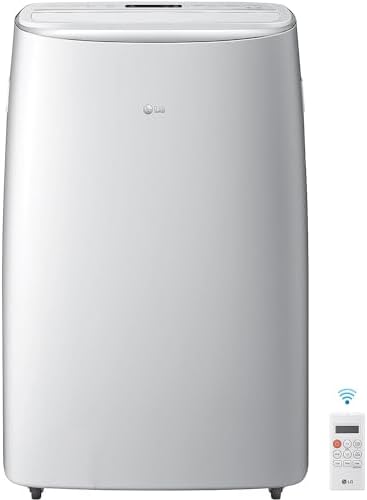
LG DUAL Inverter 14000 BTU Portable Air Conditioner with Remote Control, White (LP1419IVSM)
Inverter compressor that modulates instead of slamming on and off, plus a real parts and service network behind the brand
The name never tells you the SACC rating or the hose count, which are the two numbers I actually want
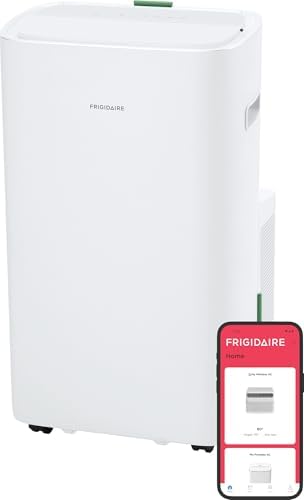
Frigidaire Gallery 14,000 BTU Inverter Portable Air Conditioner, Heat
Heat function turns it into a year round machine in rooms that get cold in winter, with an inverter compressor for quieter running
You pay for a heat pump you may never use, and heat mode adds another failure point
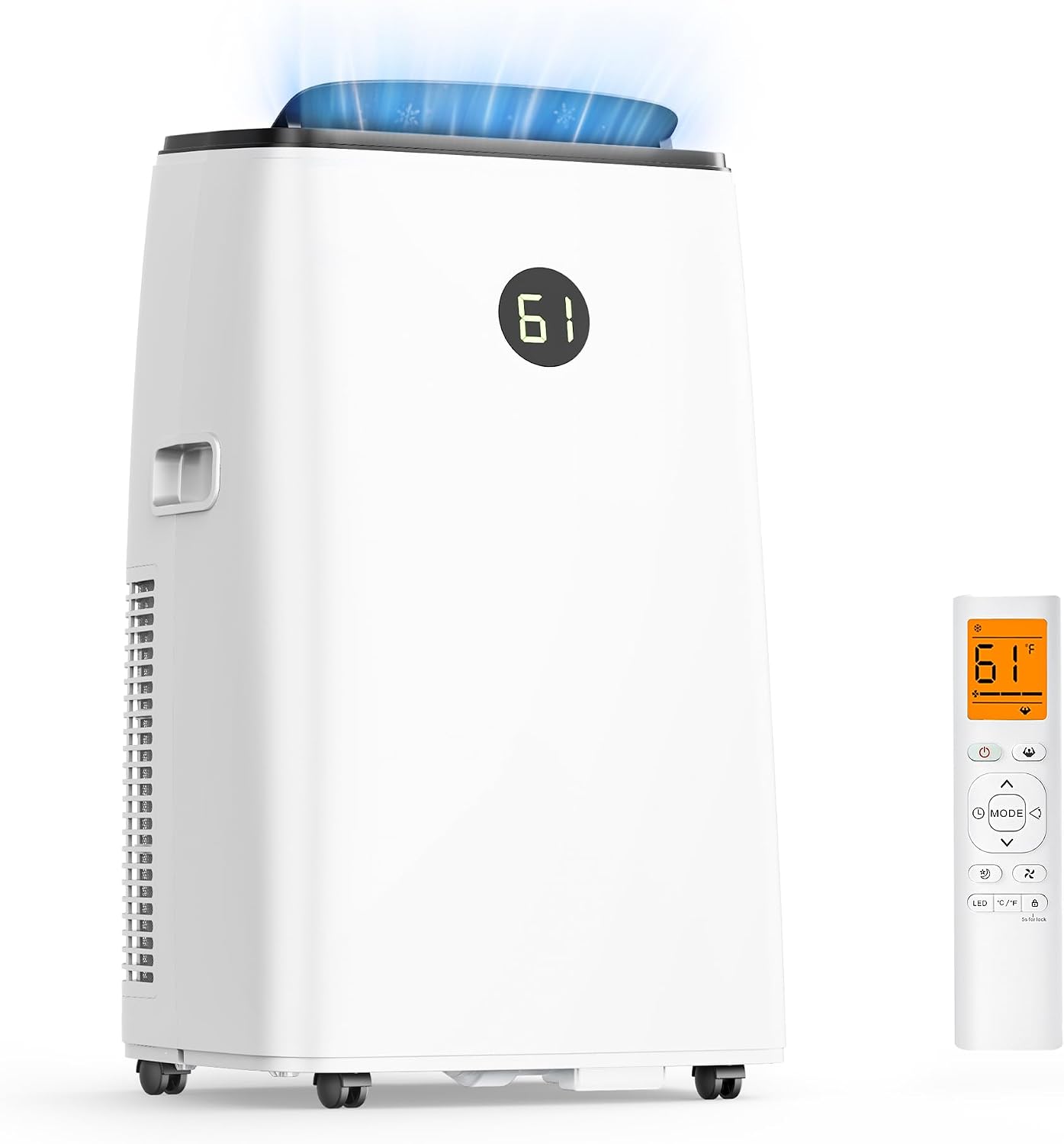
14000BTU Portable Air Conditioners, Floor Stand Portable AC Unit
Floor stand tower footprint fits rooms where a boxy portable eats the last free corner
No brand to call for parts, and no service network I can point a customer toward
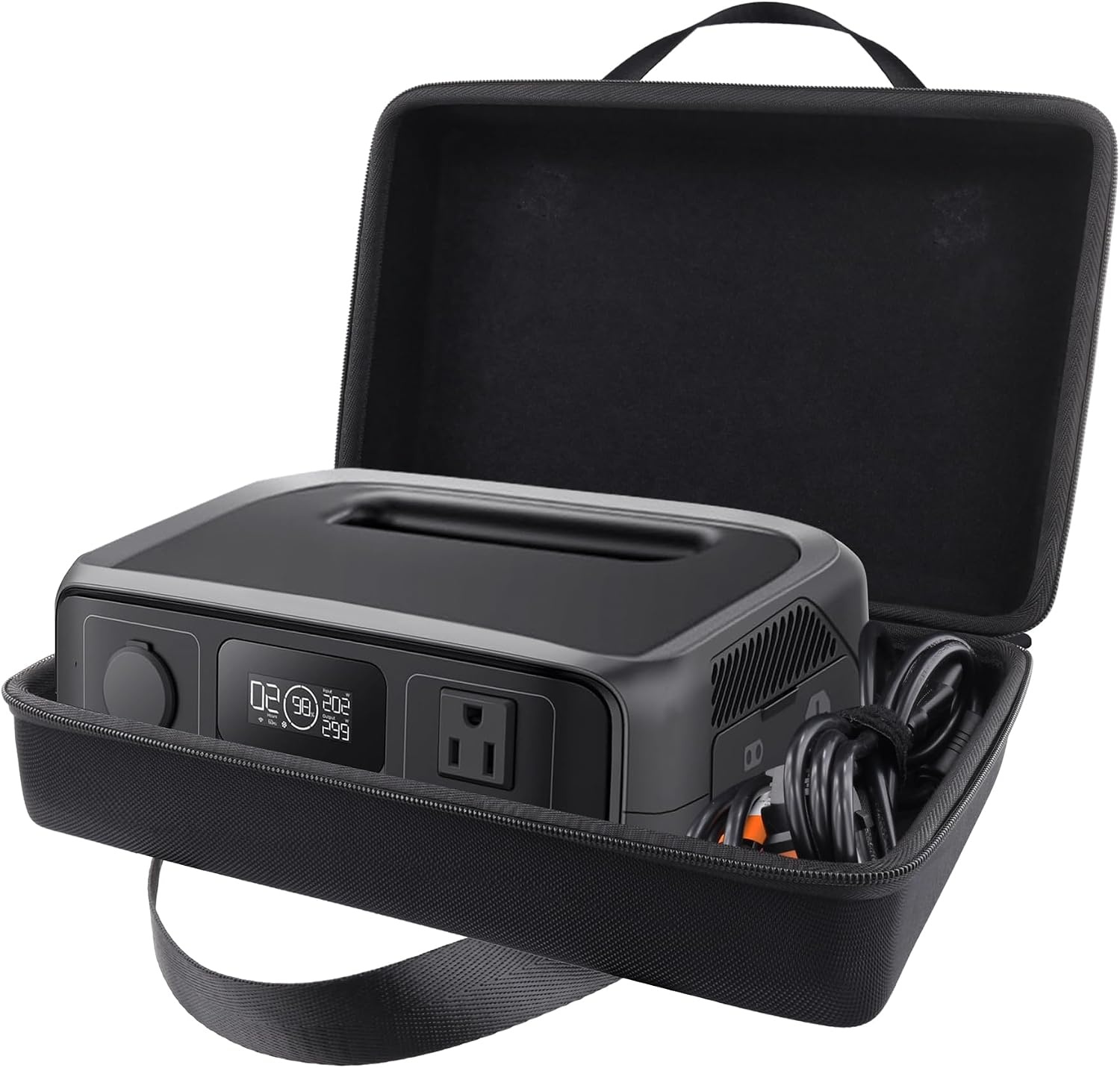
co2CREA Hard Travel Case for EF ECOFLOW Portable Power Station RIVER 3
Rigid shell protection for a power station that may be running your AC during an outage
It is not an air conditioner and it will not cool one square foot
Prices and availability were captured from Amazon Creators API and may change.
How I sort a portable AC in 2026
Four questions, in this order. Everything else is decoration.
One, what is the SACC rating? Since the DOE changed the test standard, the honest cooling number for a portable is the SACC figure, and it is usually a lot lower than the number printed in the product name. A unit marketed as 14,000 BTU is not delivering 14,000 BTU of room cooling the way a window unit does, because a portable dumps some of its own heat back into the room it is trying to cool. If a listing will not state the SACC number, that silence tells you something.
Two, how many hoses? A single hose unit pulls room air, runs it across the condenser, and pushes it outside. That air has to be replaced, and it gets replaced by hot outside air leaking in through every gap in the house. Dual hose units pull outside air for the condenser and push it back out, so your room does not pay for it. This is the biggest design difference in the category and it has nothing to do with the BTU sticker.
Three, how does it handle condensate? A portable pulls pints of water out of the air every day. Some units evaporate that water back into the exhaust stream. Some collect it in a tank you carry to a sink. In a Phoenix August, a tank that fills in four hours does not mean you own an air conditioner, it means you have a new chore.
Four, how loud is it, really? Compressor cycling is the noise that wakes people up. An inverter compressor modulates up and down instead of slamming on and off, which is why inverter units tend to be easier to live with at 2 a.m.
The LG dual inverter: my bedroom pick
The name on this one is doing a lot of work, and most of it is honest work. Dual inverter points at two things I care about: a compressor that modulates rather than cycles, and an airflow design LG builds around that. The inverter part is the one that matters for a bedroom, because a compressor that ramps instead of banging on and off is the difference between a machine you forget about and a machine you resent at three in the morning. It ships with a remote, which is table stakes at this level, though I will say for the record that any remote needing line of sight to the unit is a design flaw rather than a feature.
What the name does not tell you is the SACC rating, and that is the first thing I would hunt for in the listing. It also does not tell you the hose count, and that is the second. If it is a dual hose design, this is the most complete package of the three air conditioners here for a bedroom under 300 square feet. If it is single hose, the inverter still buys you quieter running but you are fighting the same physics as everybody else. LG keeps a real parts and service network, which matters more than people think three summers in, when a capacitor goes and you need someone to actually fix the thing.
The Frigidaire Gallery with heat: the shoulder season pick
This one is the only unit in the batch that advertises heat, and that changes who should buy it. A portable with a heat function is a heat pump in a box, which means it can carry a converted garage, a sunroom, or a back bedroom through a desert winter instead of sitting in the corner from October to April. Frigidaire is also a name with a service footprint, and that matters when you are buying a machine with a compressor in it.
The trade is straightforward. You are paying for a reversing valve and a second mode you may never touch, and every extra mode is another thing that can fail. If you live somewhere with a real winter, the heat function earns its keep. If you are in Phoenix and you want this strictly for July, you are buying capability you will not use, and I would rather put that money into a better cooling design. The inverter compressor is the part I like most here, and it is the reason this unit belongs in the conversation for a room where somebody sleeps.
The floor stand tower: the wildcard
This one is a floor standing tower, and the shape is the pitch. A tower footprint fits rooms where a boxy portable eats the last free corner, and it can sit against a wall instead of in the middle of the traffic path. For a narrow bedroom, a home office, or a room where the furniture layout already lost the argument, the form factor is a genuine advantage.
What worries me is everything behind the form factor. There is no brand attached to this listing that I can call for parts, which means when the compressor or the control board goes, you are replacing the machine rather than repairing it. Before I spent money here I would want three things in writing: the SACC rating, the hose count, and how the unit deals with condensate. I would also want a generous return window, because an unbranded 14,000 BTU portable is exactly the kind of purchase where you find out in week two whether it was a bargain or a lesson. If the listing answers those three questions well, the tower earns a spot. If it dodges them, walk.
The co2CREA hard case: not an air conditioner
I want to be very clear about this one, because it does not belong in a cooling comparison and I am putting it here anyway. This is a hard shell travel case built for the EF ECOFLOW RIVER 3 power station. If you already own that power station, a rigid case like this is the difference between a battery bank that survives a season in the back of a truck and one with a cracked display and a bent port. The shell is the whole product, and that is a legitimate thing to buy.
What it will not do is cool anything. There is no compressor, no fan, no hose, and no evaporator coil inside it. It moves zero BTU. I am including it because in outage season the portable AC and the battery bank become the same conversation. When the grid goes down in a heat wave, the people who stay comfortable are the ones who already thought about how to power the portable, and the people who protect that investment are the ones who still have it working next summer. Buy it for that reason or not at all.
The trade-offs nobody puts on the box
Every one of these units is sold on a BTU number, and every one of them will underperform that number in a real room. That is not a knock on the brands. It is how the category works. A portable has to reject heat through a hose instead of through a window frame, and it pays a penalty for that. The SACC rating is the number that accounts for the penalty. The box number does not.
The hose question is where the real money is. Dual hose units cost more and are bulkier, and they are worth it in any room where you actually care about the temperature. Single hose units are cheaper and simpler, and they are fighting themselves the entire time they run. If you take one thing from this comparison, take that.
The drain question decides whether you love the machine or resent it. In dry desert air, a unit that evaporates its condensate can run for days without attention. In humid climates, the same machine fills a tank fast, and a full tank usually means the compressor stops. If you are in Houston or Atlanta, drain design is not a detail, it is the product.
Noise is a spec, not a preference. A bedroom unit that sounds like a jet engine is a failed product no matter how cold the air coming out of it is. Inverter compressors are the biggest single improvement in this category over the last decade, and it is why I keep steering people toward them.
And the last trade-off is service. A brand with a parts network can be repaired. An unbranded unit cannot. That is worth real money three years out, even though it shows up as nothing on the spec sheet.
What I would actually buy
For a bedroom where somebody sleeps, the LG dual inverter is the pick, assuming the listing confirms a dual hose design. Inverter compressor for quiet, a brand that can be serviced, and a remote that does not require you to sit up and aim.
For a room that gets cold in winter as well as hot in summer, the Frigidaire Gallery with heat is the pick, and the heat function is the reason. It is the only machine here that earns its keep in January.
For a tight room where the shape of the unit matters more than the badge, the floor stand tower is worth a look, but only with the SACC rating, hose count, and drain design answered up front and a return window you are comfortable using.
And if you own an EF ECOFLOW RIVER 3 power station, the co2CREA hard case is a sensible accessory to keep it alive. Just do not confuse it with cooling equipment.
Before you click buy
Measure the room, not the box. A portable that is honestly rated for the square footage you have will beat a bigger, louder machine every time, because you will actually run it at a setting you can sleep through.
Check the exhaust path. A portable needs somewhere for that hose to go, and a window that seals poorly around the panel will undo half the work the machine does.
Check the drain plan. Know whether you are evaporating condensate or carrying a tank, and know where that tank is going at 2 a.m.
Check the hose count. It is the single most predictive spec in this category, and it is the one the marketing copy most often skips.
Check the SACC rating. If a listing will not print it, assume the honest number is well below the sticker, because that is usually why it is missing.
None of these four products is magic. The right one is the one whose design matches the room you actually have, and the only way to know that is to read past the BTU number on the front of the box.