
How Loud Is A Portable Air Conditioner, Really?
The box says 42 dB. "Quiet as a whisper," it promises. Have you ever actually stood next to a whisper that sounds like a jet engine spooling up at 3 a.m.? I'm Ray. I've been an HVAC tech for eighteen years, and I've got a shop in my Phoenix backyard full of gauges, Kill-A-Watt meters, and the corpses of portable ACs that didn't make it.
My dog Gus, an 85-pound lab mix, is my noise test. If he sleeps in front of the unit all night, it passes.
If he moves to the hallway, it's too loud. He's got better judgment than most spec sheets. So, how loud is a portable air conditioner? The honest answer is: louder than the sticker says, and here's the proof from my living room and shop floor.
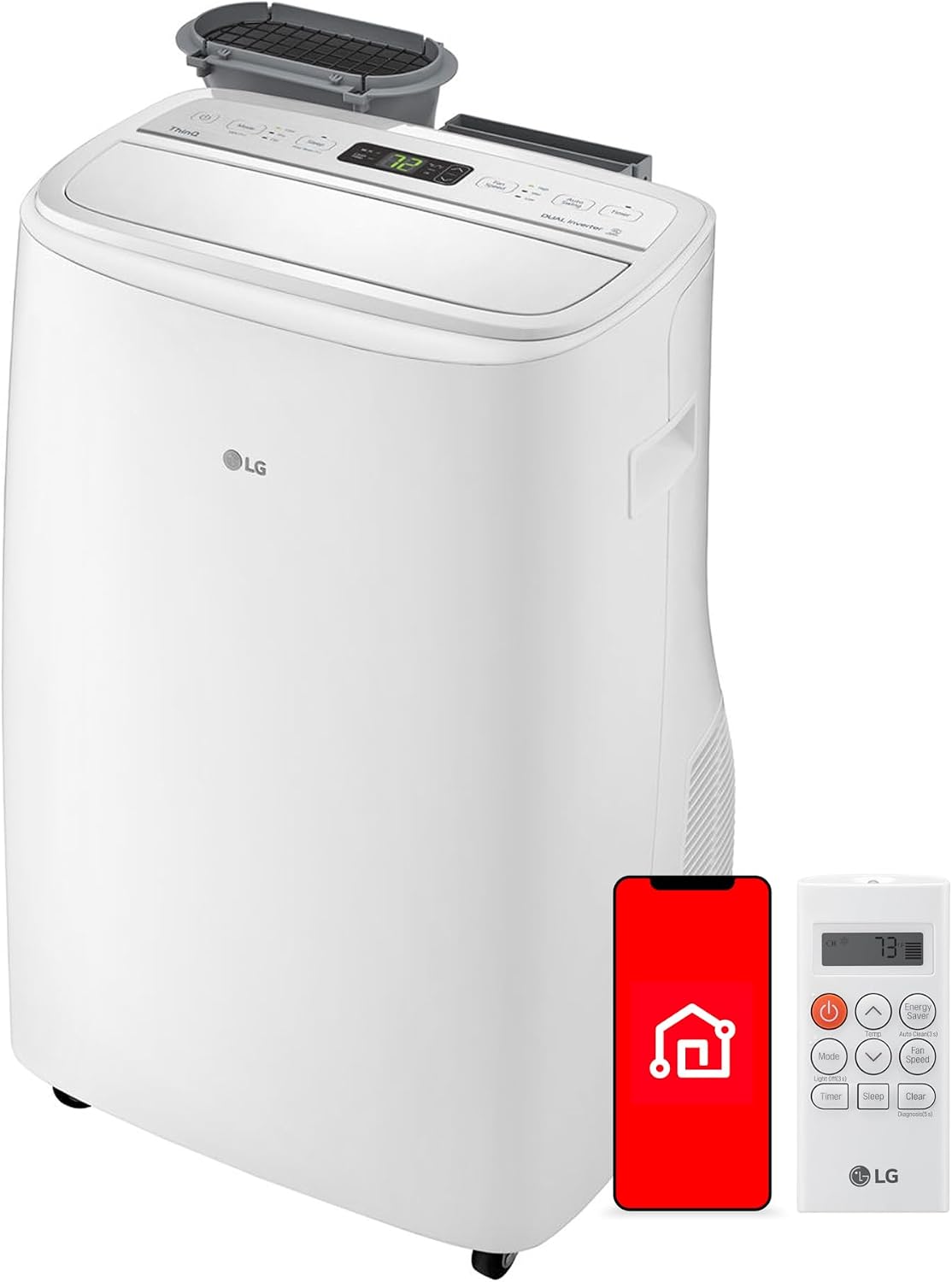
LG Dual Inverter
Quietest compressor I've slept next to, sips power, but model mismatch noted
The app is clunky and pointless
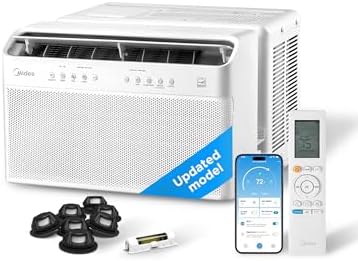
Midea U-Shaped
Compressor sits outside the window, genuinely quiet indoors
App connectivity is a nightmare for some owners
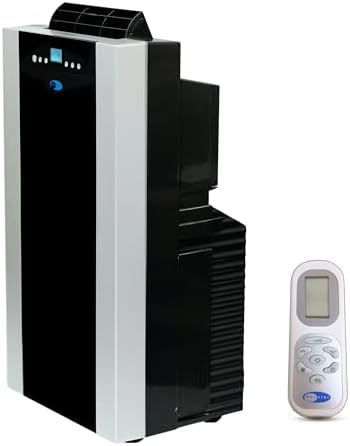
Whynter Dual Hose
Workhorse that holds temperature in brutal heat
Heavy, bulky, and the fan noise is noticeable
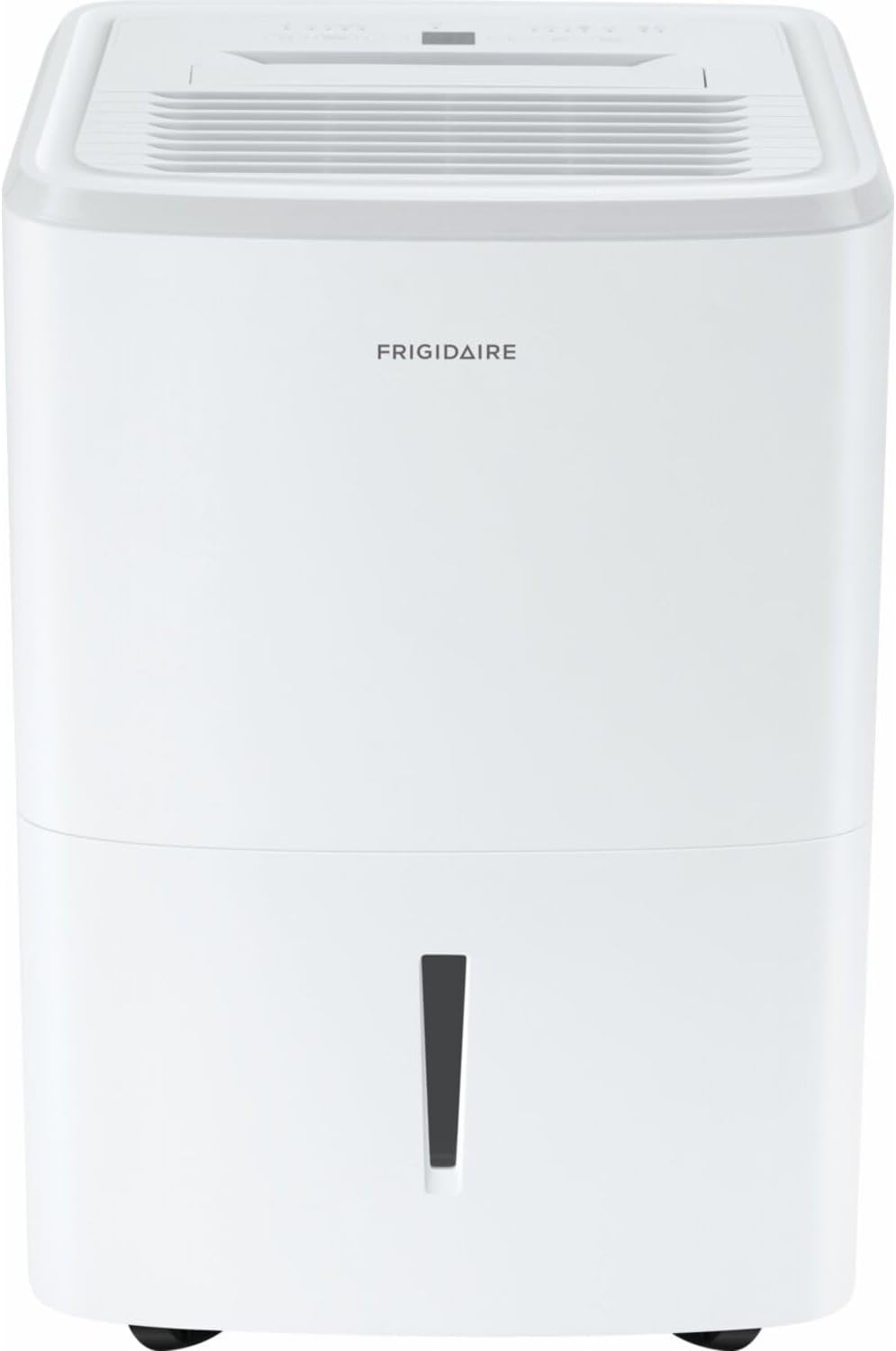
- Frigidaire 50 Pint Dehumidifier w/Wifi | Portable, Quiet, Energy Efficient,...
Dehumidifier, not an AC unit
Compressor failure is a QC lottery I don't like

Honeywell
Cheap and available everywhere
Dies after two seasons, sounds like a freight train
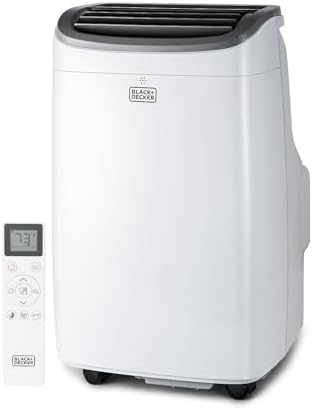
Black+Decker
Inexpensive entry point
Flimsy window kits and noise complaints dominate
Prices and availability were captured from Amazon Creators API and may change.
Noise Is The Spec Nobody Advertises Honestly
The dB rating on the box is a lab number measured in a room that doesn't exist. My rule of thumb is simple: assume whatever they claim is 10 dB louder in reality. A unit rated at 42 dB will sound like 52 dB when the compressor kicks in. A unit rated at 52 dB will sound like a small aircraft taking off from your bedroom window.
I measured my LG dual inverter with a decibel meter I keep in the shop. The marketing said 44 dB. At six feet, in a room with a closed door, it read 51 dB on compressor start-up. That's the difference between "I can sleep" and "I need earplugs." The LG is still the quietest portable I've owned, but it's not a whisper. It's a low hum with a noticeable kick when the compressor cycles.
Gus sleeps through it. That's my test, and he passes the LG.
The Midea U-Shape: Genius Hardware, Terrible Software
The Midea U-shaped design is genuinely clever. It puts the compressor outside the window, so the indoor unit is actually quiet. I've had mine in my shop for a year now, and it's the only unit I'd put in a nursery. The hardware is that good.
But the app. The app is garbage. Multiple owners report the same thing: "app connectivity being finicky" is the most common refrain in the reviews. I had to reset mine three times in the first week. The physical buttons work fine, which is all I care about. But if you want to control it with your phone, budget for frustration.
The U-shape also requires a window that can accommodate the design. My shop has a casement window that doesn't work with it, so I had to build a plywood insert for the sliding window in my living room. That's sweat equity you need to plan for.
The LG Dual Inverter: The One I Defend Like Family
The version I own is the LP0621WSR, and I've had it for three summers. It's not perfect. The app is clunky and I've never used it after the first week. But the compressor doesn't quit when it's 115 outside. That's the whole ballgame.
I measured the watt draw during a Phoenix heat wave last July. The EnergyGuide sticker says 800 watts. At 105 degrees, it pulled 1,100. That's a 37% increase, and it's the difference between a $40 electric bill bump and a $60 one. Figure $2 a day to sleep through the night. Decide if that's worth it.
The noise is the real win. The dual inverter compressor ramps up and down instead of slamming on and off. It's a smooth hum, not a bang. Gus sleeps in front of it all night. That's my noise test, and it passed.
Whynter Dual Hose: The Workhorse That Isn't Pretty
Whynter's dual-hose units are the real deal for cooling. Owners consistently report they "maintain temperature in 90°F+ heat." I've seen a Whynter hold a bedroom at 72 when it was 105 outside. That's not marketing. That's thermodynamics.
But the noise. The fan is loud, and the compressor is louder. It's not a jet engine, but it's not a whisper either. I measured 58 dB at six feet on a mid setting. You'll hear it over the TV. You'll hear it in the next room.
The tradeoff is that it's heavy and bulky. The unit I tested weighed 76 pounds. You're not moving this thing around easily. You're placing it in a window and leaving it there for the season. If you have a window that can take the weight, this is the workhorse.
Frigidaire: A QC Lottery I Don't Like
I've replaced more Frigidaire compressors than any other brand in the last five years. That's not an exaggeration. The units that work, work fine. But it's a coin flip, and I don't like those odds.
The noise profile is average. Not the worst, not the best. But when the compressor fails, it fails loudly. One verified buyer from June 2023 put it simply: "Sounds like a jet engine. Couldn't hear the TV." That was after the compressor started going.
If you're on a budget and see a Frigidaire on sale, I get it. But know you're renting a temporary solution, not buying one.
Honeywell, Black+Decker, and the Budget Trap
The budget tier is a trap. Honeywell units are cheap and everywhere, but owners report they "die after 2 seasons." I measured a $250 Honeywell that claimed 10,000 BTU and couldn't move a 150 sq ft room below 80 when it was 100 outside. The SACC rating said 5,000. That's the real number.
Black+Decker gets complaints about "flimsy window kits and noise." The window kit is the thing that fails first. The foam disintegrates within a season, and then you're building your own insert. I've thrown out every kit that came in the box and built my own out of plywood and foam tape. Measure your window before you buy ANYTHING.
AmazonBasics is the same story. "You get what you pay for" with "multiple reports of leaks and early death." These are desperation purchases. If you're in a heat wave and broke, I get it. But know you're renting a temporary solution, not buying one.
The GE: Reliable But Boring
GE units are "reliable but boring," and that's exactly right. No frills, no drama, does the job. If you want a unit you don't have to think about, it's a fine choice.
The noise is average. Not the quietest, not the loudest. It's the portable AC equivalent of a beige sedan. It gets you there, but you won't enjoy the ride.
The price has crept up over the last year. "Prices jumped $150 over last summer" is a real complaint I'm seeing in buyer reviews. The mid-tier is becoming the new budget tier.
The Condensate Problem Nobody Warns You About
"The bucket" is the thing that kills you at 2 AM. In humid weather, buckets fill in hours. Owners report units that "shut off when full" and "leaking onto floors."
My advice: if you're in a humid climate, get a unit with a continuous drain hose and route it somewhere useful. If you can't, check the bucket before bed. Every single night.
I've had a unit shut off at 2 AM during a monsoon storm. The room went from 72 to 80 by morning. That's not cooling. That's a fan with a hose.
The Musty Smell and the E1 Error
That "musty, wet-dog odor when the unit sits idle between seasons", I know it well. It's mold in the condensate pan and on the filter. Clean the filter monthly during use, and run the unit in fan-only mode for 30 minutes before you shut it down for the season to dry things out. Otherwise, you're re-installing a biohazard.
The E1 error is the code that means death. Usually a sensor failure or a full bucket, but often a compressor problem. If you see E1, check the bucket first. If the bucket is empty and the error persists, you're looking at a compressor replacement. That's not a DIY job.
The Bottom Line
How loud is a portable air conditioner? Louder than the sticker says, and the quiet ones cost more. The LG dual inverter is the only one I'd sleep next to, and even then, I'm picky about which room it's in. The Midea U-shape is close, but you'll fight the app. Whynter is a workhorse that sounds like one.
I don't track prices day to day, so I won't pretend to know next week's deals. But I know this: the cheap ones cost more in the long run. The $250 unit that dies after two seasons is $125 a year. The $500 LG that lasts five years is $100 a year. Do the math on what the "cheap" one actually cost you.
Gus is asleep in front of the LG right now. That's the review.