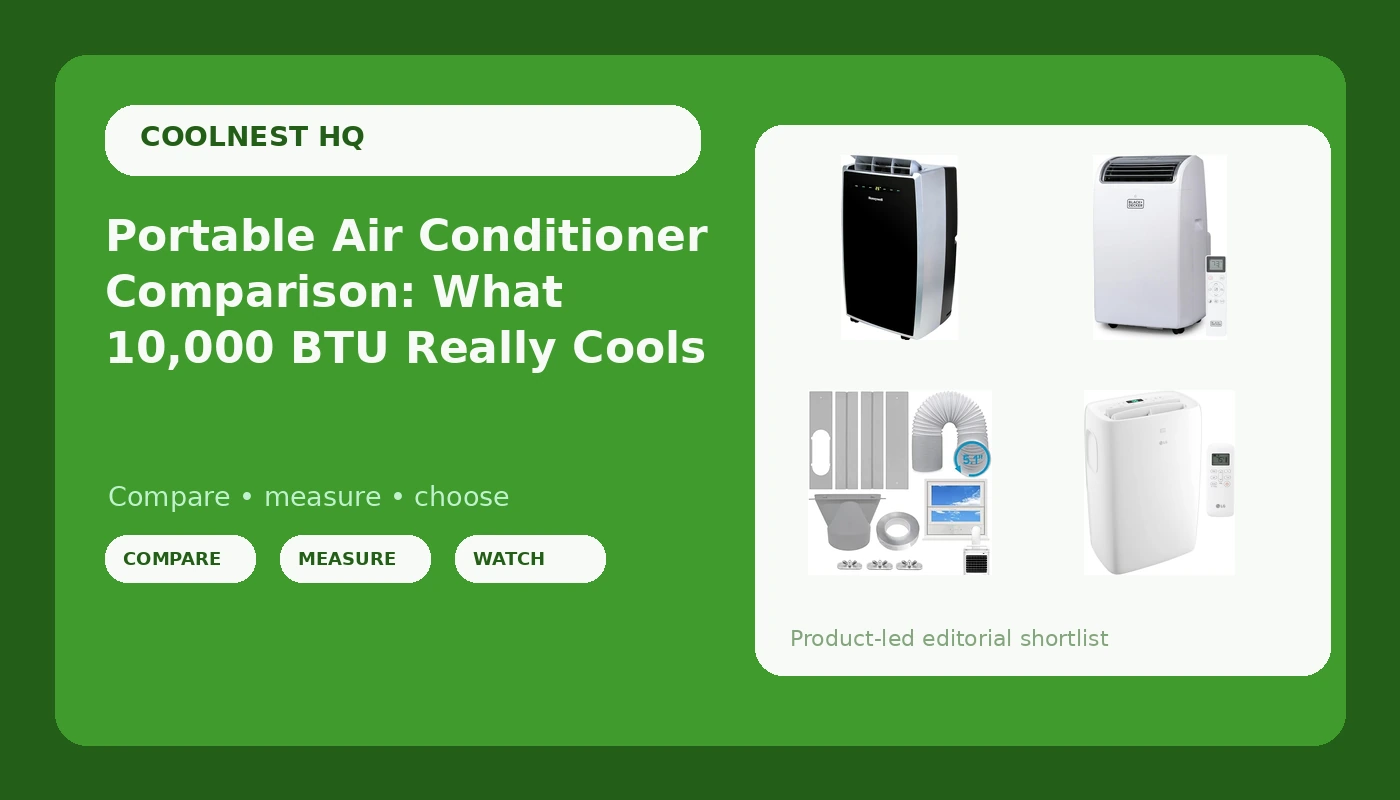
Eighteen years of HVAC work in Phoenix will teach you one thing faster than any classroom: the number on the box is a suggestion. I have watched a unit stickered at 12,000 BTU lose a fight with a west-facing bedroom at four in the afternoon in July, and I have watched a properly sized 10,000 BTU machine hold that same room all day. The difference is almost never the compressor. It is sizing, hose design, and whether anyone thought about where the water goes. This portable air conditioner comparison covers the four items I would actually put in a cart for a small-room cooling problem: two full-size portables, one renewed small-room unit, and the window kit that quietly decides whether any of them work at all.
My short answer: the Honeywell MN10CES is the right portable for most bedrooms, the Black+Decker BPACT12WT is the one to buy when a single unit has to cover up to 550 square feet, the renewed LG LP0621WSR is the small-room bargain if you accept the warranty trade, and the universal window kit is the accessory that turns any of them from a noisy fan into an air conditioner. That is the summary. What follows is the reasoning, and the reasoning is where people get burned.
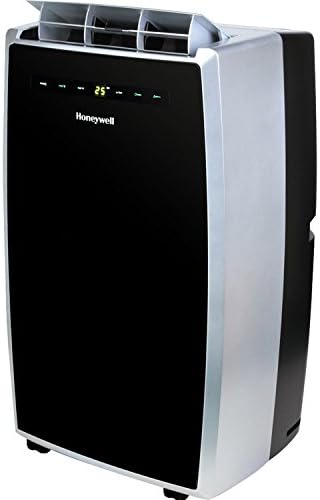
Honeywell MN10CES 10,000 BTU Portable Air Conditioner
A 10,000 BTU unit from a brand with a long service record in this category, sized for one room instead of a whole floor plan
Cools a single room only, and you give up the smart controls and the higher ceiling of the Black+Decker
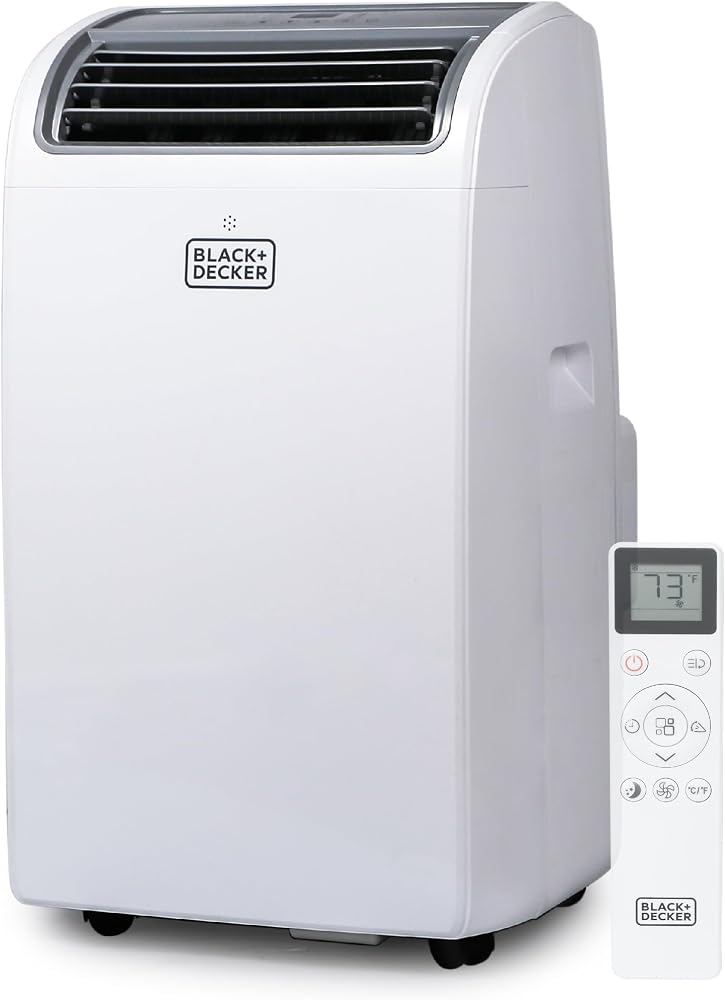
BLACK+DECKER Smart Portable Air Conditioner, 12,000 BTU, BPACT12WT
8,000 BTU SACC for rooms up to 550 sq ft, a 3-in-1 AC, fan and dehumidifier, plus smart controls
The biggest and heaviest of the group, and the one you will resent carrying up stairs
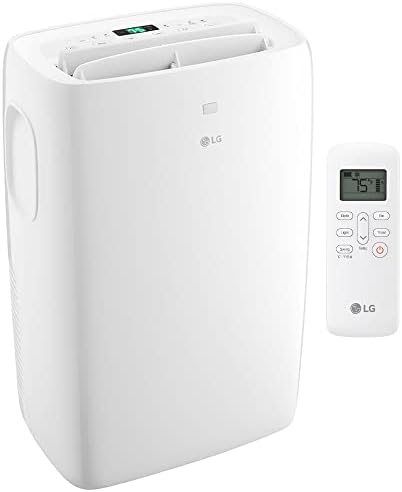
LG LP0621WSR 6,000 BTU Portable Air Conditioner and Dehumidifer (Renewed)
Small, light, and enough for a bedroom or office if you size it honestly, with dehumidifier mode built in
Renewed means someone else's return, and 6,000 BTU is a small-room number no matter how you spin it
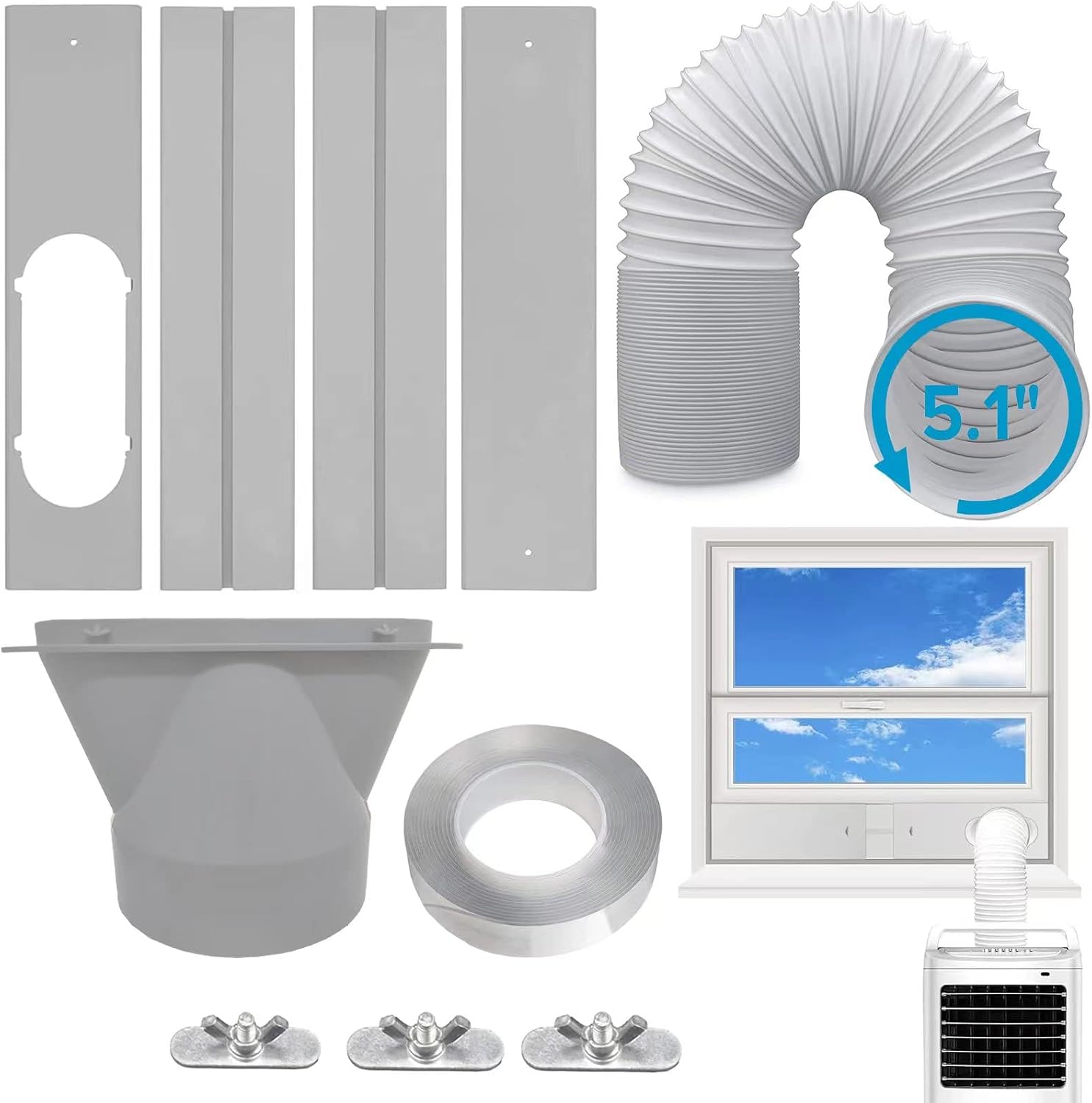
Portable Air Conditioner Window Kit with 5.1" Exhaust Hose Universal Window Seal for Sliding or Vertical Windows
Seals a sliding or vertical window around a 5.1 inch hose so the exhaust goes outside instead of back into the room
It is an accessory, not a cooler. You still have to buy the air conditioner
Prices and availability were captured from Amazon Creators API and may change.
What I check before I look at the price
Four things decide whether a portable air conditioner is worth owning. The sticker number is not one of them.
The SACC rating. Since the DOE changed the testing standard in 2020, portable ACs carry two numbers: the old marketing BTU and the SACC rating, which is the honest one. The gap is brutal. A unit advertised at 12,000 BTU is often rated around 8,000 SACC, which is why the Black+Decker listing prints both figures. That honesty is worth something. When you are shopping, hunt for the SACC number and ignore everything else on the box. If a listing will not give you one, assume the worst.
Hose design. A single-hose portable pulls conditioned air out of your room to cool its own compressor, then dumps it outside. That air has to be replaced, and it gets replaced by hot air leaking in through every gap in your house. The unit is fighting itself. Dual-hose designs pull outside air in for the compressor and push it back out, which is the only configuration that does not actively work against you. My rule is simple: I will not recommend a single-hose portable above 10,000 BTU. Past that line you are paying for compressor capacity that the hose design throws away.
Condensate. Every portable pulls water out of the air. The question is what it does with it. Some units evaporate the condensate through the exhaust and you never touch a bucket. Others fill a reservoir you have to empty, sometimes multiple times a day in Phoenix humidity season. Some have a threaded drain port so you can run a hose to a floor drain or a condensate pump. The drain situation decides whether you love the machine or curse it by week two.
Noise. This is a spec, not a preference. A bedroom unit that sounds like a jet engine is a failed product no matter how cold it gets. Compressor cycling is the biggest culprit: a unit that slams on and off is louder and less efficient than one that modulates. If you cannot sleep with it running, it does not matter what the thermometer says.
Honeywell MN10CES: the 10,000 BTU bedroom pick
The Honeywell MN10CES is the one I would put in a guest room or a master bedroom, and the reason is sizing discipline. At 10,000 BTU it sits right at the ceiling I trust for a conventional portable in a normal bedroom, and it comes from a brand that has been building these things long enough that parts and service are not a mystery.
It is not a smart device and it is not trying to be. There is no app, no scheduling, no voice control. What you get is a straightforward 3-in-1 portable with cooling, fan, and dehumidifying modes, and a footprint that does not eat half the room. If your window situation allows it and your room is a normal bedroom, this is the unit that will still be running in five summers.
The trade-off is ceiling. This machine cools one room. If you are trying to move the temperature of an open living area or a space with a hallway bleeding into it, 10,000 BTU will not get there, and no amount of patience will fix it. You buy this for a closed door.
Black+Decker BPACT12WT: the 8,000 BTU SACC workhorse
The Black+Decker BPACT12WT is the only unit in this comparison that tells you the truth twice. The listing says 12,000 BTU and then says 8,000 BTU SACC for rooms up to 550 square feet. That second number is the one I care about, and the 550 square foot figure is a real coverage claim rather than a hopeful one.
It is a 3-in-1: air conditioner, fan, and dehumidifier, with smart controls so you can start it from the couch or schedule it before you get home. In a Phoenix summer, the ability to have the bedroom cold before you walk in is not a gimmick, it is the difference between sleeping and lying awake in an 88 degree room.
The cost is physical. This is the biggest and heaviest unit of the three air conditioners here, which matters more than people expect. Portables get moved. They get shoved into closets in October, dragged to the garage in May, and repositioned every time someone rearranges furniture. A heavy unit with awkward casters turns that into a chore, and a chore is how you end up with a portable AC that lives in a corner unused.
Buy it if you have a genuinely larger room, an open-ish plan, or a space where a 6,000 or 10,000 BTU unit has already failed you. Do not buy it for a 150 square foot bedroom, because you will be paying for capacity you cannot use and hauling weight you do not need.
LG LP0621WSR (Renewed): the small-room gamble
The LG LP0621WSR is a 6,000 BTU portable air conditioner and dehumidifier, sold in renewed condition. Renewed is a real category and it is not the same as used, but it is also not the same as new. Someone owned this unit before you, and the warranty is not going to match what you get on a factory-sealed box. That is the entire trade.
What you get in exchange is a small, light machine from a major brand that will handle a bedroom, a home office, or a dorm room if you size it honestly. Six thousand BTU is not a big number. It is a "keep one small room livable" number, and in that role it does fine. The dehumidifier mode matters in humid climates and in shoulder seasons when the temperature is tolerable but the air is soupy.
My honest read: this is the pick for a rental, a spare room, or a situation where the unit is going to live in a window and get used hard for three months a year. It is the cheapest way into a name-brand portable. It is not the unit I would buy for a primary bedroom I expect to sleep in for the next decade, because when a renewed compressor starts making noise, you are the one dealing with it.
The universal window kit: the part that makes it work
This is the item people skip, and skipping it is why their portable air conditioner "does not work." A portable AC produces cold air and a lot of hot exhaust. If that exhaust does not leave the room, you have built a machine that heats and cools the same air at the same time, which is a fan with a hose.
This kit is a universal window seal designed for sliding or vertical windows, paired with a 5.1 inch exhaust hose. If you have ever tried to tape a hose into a sliding window with cardboard and hope, you already know why this exists. The seal closes the gap around the hose so outside air is not pouring back in past your exhaust, and so the unit's own hot air is not looping straight back into the room.
Two notes. First, measure your window and your unit's hose diameter before ordering, because "universal" covers a lot of ground and not every window is standard. Second, this is an accessory. It does not cool anything by itself. Budget for it alongside the air conditioner, not after, because the difference between a sealed and an unsealed exhaust is the difference between a working setup and a $400 noise machine.
The trade-offs, plainly
Here is where I stop hedging.
If you have a normal bedroom and a window that opens, buy the Honeywell MN10CES. Ten thousand BTU, one room, closed door, done. It is the least complicated way to solve a bedroom cooling problem with a portable.
If you have a bigger space or a room that has already defeated a smaller unit, the Black+Decker BPACT12WT is the one that claims the most coverage, and it is the only one here that gives you both the marketing BTU and the SACC number. Accept that you are buying weight along with capacity.
If you need something cheap for a small room and you are comfortable with renewed gear, the LG LP0621WSR gets you a name brand at a lower entry point. Understand that 6,000 BTU has a ceiling and that renewed means a shorter safety net.
If you are buying any of the three, buy the window kit in the same order. Every one of these units needs its exhaust to actually leave the building, and a sliding window without a proper seal is the single most common reason a portable AC underperforms in a real house.
One more thing, and it is the thing I say to every customer who asks me about portables: if you have a double-hung window that can physically hold a window unit, buy the window unit instead. A window AC of the same nominal capacity will cool better, use less power, and make less noise, because it is not fighting a hose. Portables exist for the situations where a window unit cannot work: sliding windows, crank-out windows, rental rules, HOA rules, or a room where the only window faces a walkway. Buy a portable because you have to, not because it looks tidier.
What I would do
For a bedroom in a house with sliding windows, I would order the Honeywell MN10CES and the window kit together, seal the exhaust properly, and set the unit to hold the room rather than trying to blast it down ten degrees at once. If the room is large or open, I would step up to the Black+Decker BPACT12WT and accept the extra weight. If it is a spare room or a rental where the stakes are lower, the renewed LG LP0621WSR is a defensible way to spend less.
Whichever you pick, do the unglamorous work first: measure the room, measure the window, check whether the exhaust can actually reach outside, and decide now how you will handle the water. The people who hate their portable air conditioner are almost never the people who bought the wrong compressor. They are the people who never dealt with the hose.