I have spent 18 years as an HVAC technician, most of it in Phoenix, and the call I hate most is the one from a renter whose landlord says the compressor is two weeks out. I have watched what 115 degrees does to a house with no cooling. I have also watched people spend real money on a "12,000 BTU" portable that could not hold a 200 square foot bedroom below 80. So when I build a portable AC and backup power comparison, I start where I start every service call: what does this machine actually have to do, and what happens when the power or the parts run out?
The short answer: for a bedroom under 300 square feet, the SereneLife 8,000 BTU unit is the least fuss. For a room where a window unit is not allowed and you need more headroom, the Whynter 10,000 BTU is the pick. The PowerSmart 3000 watt inverter generator is what keeps either air conditioner alive when the grid drops, and the BLACK+DECKER ceramic tower heater covers the handful of weeks when desert nights get genuinely cold.
Before we go further, my standing advice: if a window unit can work in your room, buy a window unit. Portables exist for the cases where it cannot. A landlord who will not let you drill, a crank-out or casement window, a rental you are leaving in eight months, an HOA with opinions. That is the market these four products live in, and it is the market I buy for.
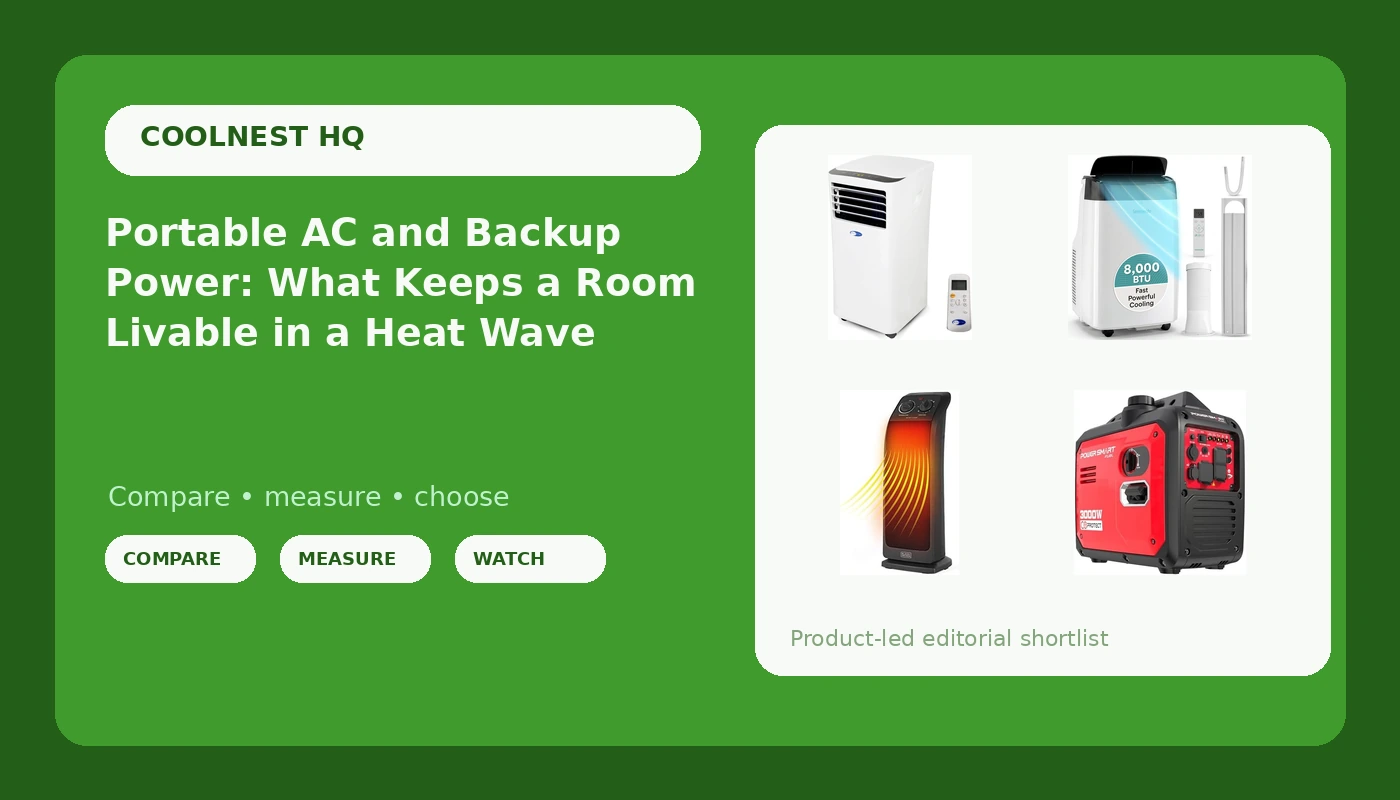
Whynter Portable Air Conditioner, 10,000 BTU, Dehumidifier Fan, ARC-102CS
The most cooling capacity here, plus dehumidifier and fan modes in one cabinet
Sits right at the ceiling of what I trust a portable to do, and it draws the most power of the group
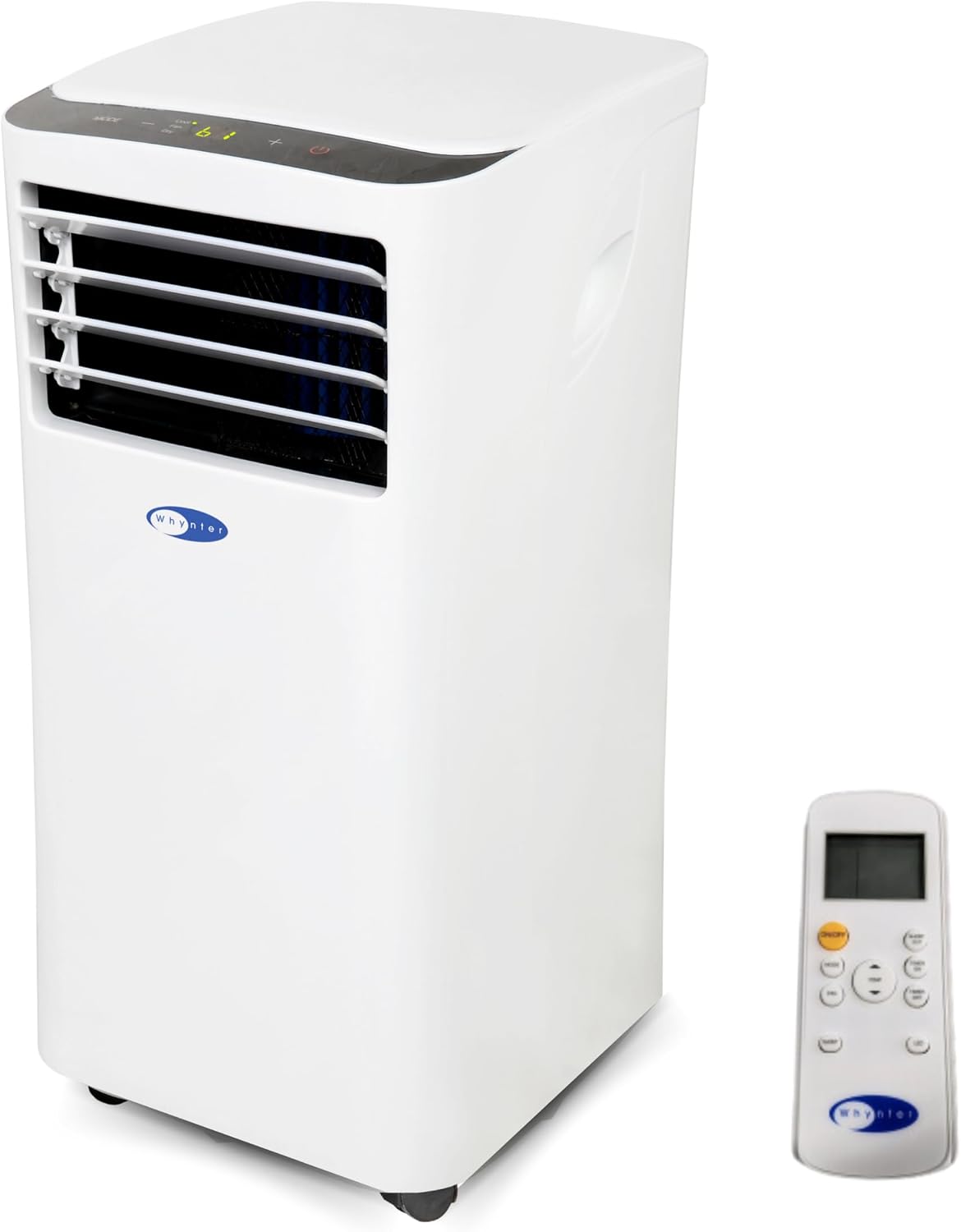
SereneLife Portable Air Conditioner, With Dual Motor, Dehumidifier & Fan
Fast Powerful Cooling
3 Fan Speeds, Remote Control, & Window Exhaust Kit
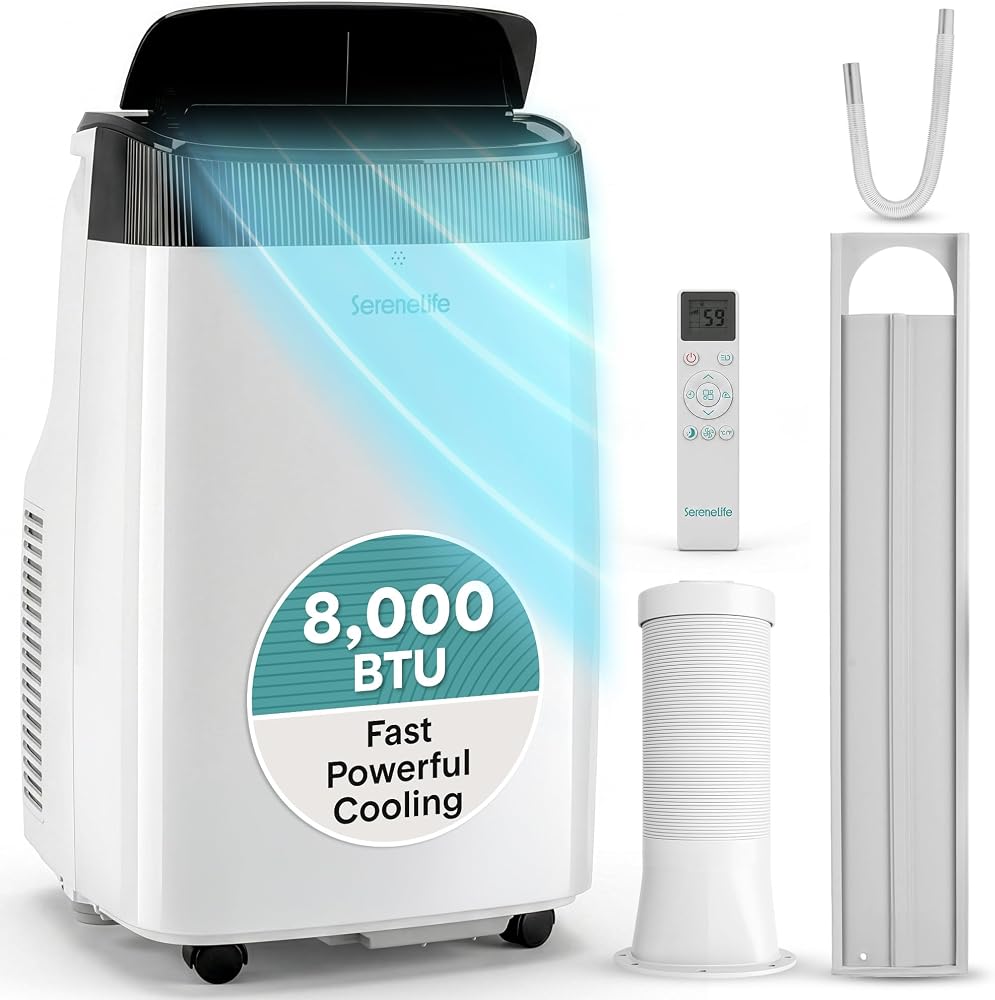
BLACK+DECKER Oscillating Ceramic Tower Heater, 1500 Watts, BHTC571, Black
Covers the other half of the year in a tower footprint that fits against a wall
It is the opposite of a cooling product, and 1500 watts eats most of a small generator's headroom
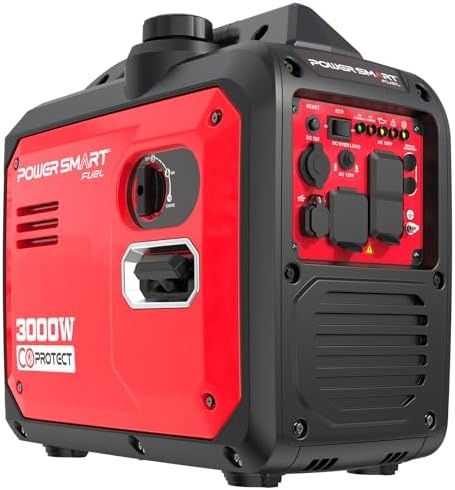
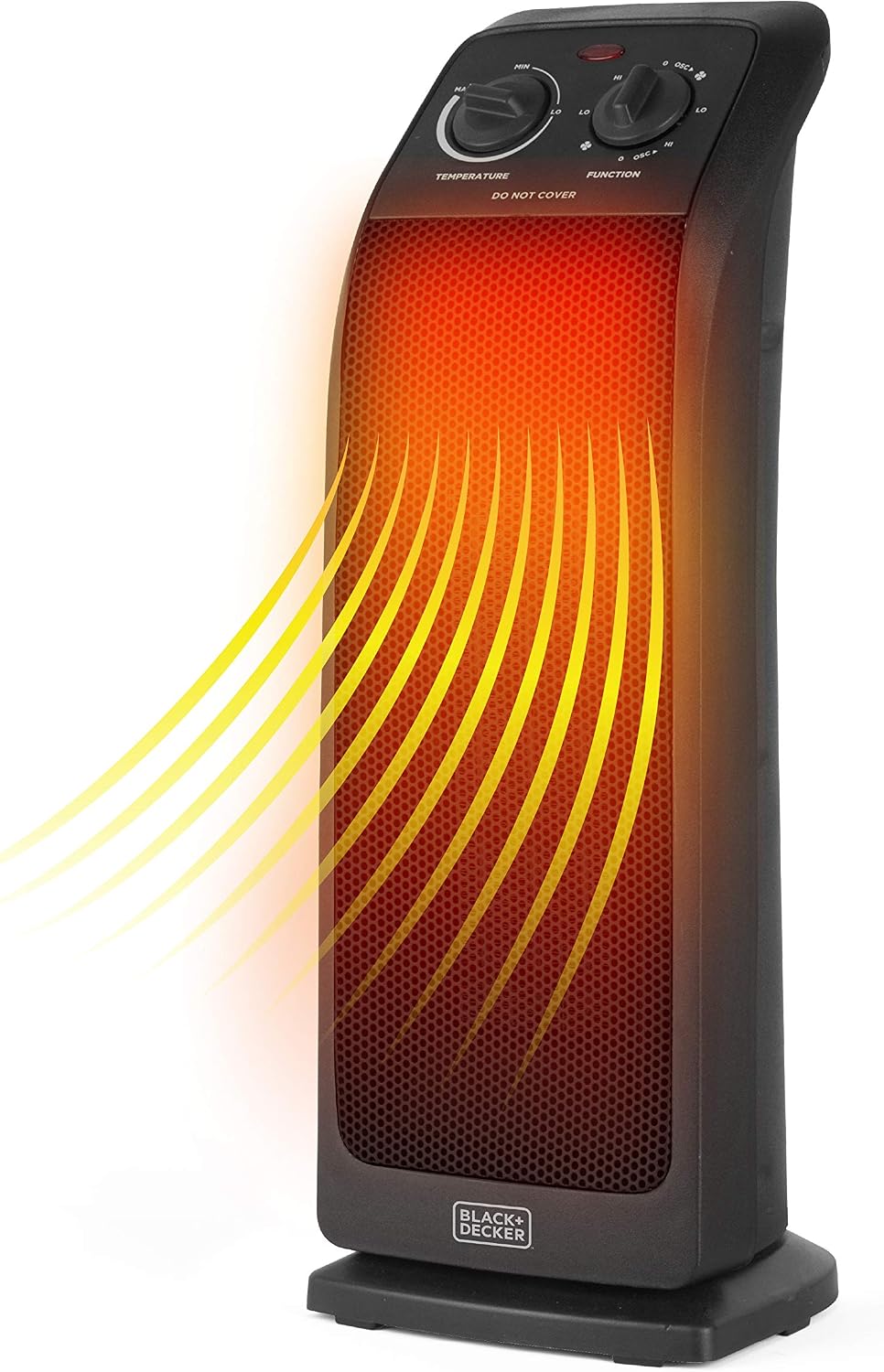
PowerSmart 3000 Watt Portable Inverter Generator for Camping or Home Use
Inverter output keeps a portable AC running through an outage, and it doubles as camping gear
It is fuel, oil, noise, and maintenance, and 3,000 watts is a budget you have to spend carefully
Prices and availability were captured from Amazon Creators API and may change.
How I judge a portable cooling setup
Four things, in this order. Every recommendation I give a customer runs through the same list.
The SACC rating, not the sticker. Since the DOE changed how portables are rated, the honest number is the SACC rating, and it is usually a lot lower than the marketing BTU printed across the front of the box. If a listing only shouts the old number, treat it as a suggestion, not a promise.
Hose design. Dual hose beats single hose, every time. A single hose unit pulls air out of the room it is trying to cool and dumps it outside, which means replacement air gets pulled in through every gap in the house, and in Phoenix that replacement air is 110 degrees. Above 10,000 BTU, a single hose machine is fighting itself and losing. Neither listing in this comparison spells out the hose configuration in the name, so that is the first question I would put to the seller before ordering.
Condensate. The drain situation decides the review. A bucket that fills in four hours is not an air conditioner, it is a chore with a cord. Ask whether the unit is gravity drain, self evaporative, or bucket, and ask it before you buy, not after the first monsoon week.
Noise. A bedroom AC that sounds like a jet engine is a failed product regardless of how cold it gets. I care about this more than the BTU number, because you have to sleep next to it.
One more rule: for a room under 300 square feet, a window unit beats any portable on efficiency and noise. Everything below is written for the rooms where that option is off the table.
Whynter ARC-102CS: the bigger room pick
This is the 10,000 BTU portable in the group, with dehumidifier and fan modes built into the same cabinet. Why it leads: capacity. Ten thousand BTU is the top of what I trust a portable to deliver, and it gives you the best shot at holding a living room or a primary bedroom instead of just a slice of one.
The dehumidifier mode matters more than people expect out here. Phoenix in July is not dry air, it is monsoon season, and a room that feels clammy at 78 degrees is a room you will not sleep in. Having cooling, dehumidifying, and fan only in one box means you are not buying a second appliance for the sticky weeks. Fan-only mode also gets used more than you think, on the days when it is 95 and you just want air moving.
Why it might not be right for you. Ten thousand BTU sits exactly at the line where hose design decides whether the machine works or wastes your money, so confirm the configuration before you commit. It is the biggest draw in this group, which matters if you plan to run it off a generator. And if your room is 150 square feet, this is more machine than you need, with the noise and the power bill that come with it.
SereneLife 8,000 BTU: the small bedroom pick
Eight thousand BTU, dehumidifier and fan, a temperature range of 64 to 90 degrees, three fan speeds, a remote, and a window exhaust kit in the box. The best fit here is a bedroom under 300 square feet, the one room you actually have to sleep in.
Two details earn it the top spot for that job. The included window exhaust kit is the piece people forget to budget for, and it is the difference between a working install on a Saturday afternoon and a second trip to the hardware store. The 64 to 90 degree thermostat window is also a real range. Some budget units will not set below 68, then short cycle and leave you warm and irritated at 3 a.m.
One term to read carefully: dual motor is not the same claim as dual hose. A second motor can drive the condenser fan separately from the evaporator fan, which helps airflow, but it does not change how the unit breathes. Ask about the hose.
Why it loses. It is 8,000 BTU, so it is a one-room machine and nothing more. An open floor plan will laugh at it. It is also the smaller of the two air conditioners, which is exactly why it pairs better with a generator.
BLACK+DECKER BHTC571: the other half of the year
A 1500 watt oscillating ceramic tower heater. Why it belongs in a cooling article: because comfort is a year-round problem, and Phoenix is a desert, not a sauna. The Valley gets cold at night in winter, colder than people who move here expect, and a rental with an unserviced heat pump or a room over a garage can be miserable in January.
What it does well is simple. Fifteen hundred watts of ceramic heat in a tower footprint that fits against a wall instead of taking up floor space, with oscillation to move that heat around the room instead of baking one chair. Ceramic elements come up to temperature quickly, which suits the desert pattern of a cold snap that lasts three nights and then leaves.
Why it loses. It is the opposite of everything else in this comparison, so if you are reading this in July and expecting it to help, you have misread the table. The bigger conflict is power. Fifteen hundred watts is a serious load, and this heater alone would consume the majority of a 3,000 watt generator's capacity, leaving very little for a fridge, a few lights, or an air conditioner. Heat and backup power do not mix well on a small generator.
PowerSmart 3000 watt inverter generator: when the grid quits
This is the part of a heat plan that most people skip until the afternoon the power goes out and the house hits 95 by dinner. A portable air conditioner with no electricity is a plastic box. The PowerSmart unit is a 3,000 watt portable inverter generator marketed for camping and home use, and the inverter part is the detail that matters, because inverter output is the type you want for electronics and motors that do not enjoy dirty power.
Why it wins its slot: it makes the rest of this list functional during an outage, and it earns its keep the other 51 weeks of the year if you camp or tailgate.
Why it loses: it is a machine you have to own, not a box you plug in. Fuel, oil, maintenance, noise, and carbon monoxide are all now part of your life, and none of them are optional. Three thousand watts is also not a license to run the whole house. Do the running watt math for everything you plan to connect, add headroom, and accept that you are powering one air conditioner, a fridge, and a few lights. Run it outdoors, away from windows, always. And note that a smaller air conditioner is easier to power, which is another point in the SereneLife's favor if outages are why you are shopping.
The trade-offs nobody puts on the box
Portables are less efficient than window units, and you are paying that efficiency tax for flexibility. That is a fair trade when a window unit cannot be installed, and a bad trade when it can.
Capacity is a power decision, not just a cooling decision. The 8,000 BTU unit is easier to run on a generator and gentler on a circuit. The 10,000 BTU unit cools more and asks more. You cannot have both.
These are three separate jobs. Cooling, heating, and backup power are different problems, and buying one machine for each is more honest than trying to make one appliance pretend to do all three.
Remotes in this class are the first thing I lose. Keep it on the nightstand.
And the drain. Whichever air conditioner you choose, find out how it handles condensate before the first humid week, because that single answer decides whether you own an appliance or a bucket-emptying routine.
What I would buy
If you have one room to save and it is a bedroom, buy the SereneLife 8,000 BTU unit and install the window kit properly. It is sized for the job, the thermostat range is real, and it is the easiest of the four to power when the grid goes down.
If your room is larger, or the space you need to cool is a living area rather than a bedroom, buy the Whynter 10,000 BTU unit and confirm the hose setup before it ships. It is the only one here with real headroom.
If you lose power more than once a summer, or you camp, add the PowerSmart 3000 watt inverter generator, and budget your loads before you buy it rather than after.
If your actual problem is January, buy the BLACK+DECKER tower heater and stop trying to solve a heating problem with cooling equipment.
That is the whole comparison. None of these four is a magic box, and the one thing I would tell any renter in Phoenix is this: the BTU number on the front is marketing, the drain is a job, and a portable that cannot hold the room you sleep in is just a fan with a hose. Check the specs that matter, check the current Amazon price, and size the machine to the room instead of to the sticker.