Related: Portable Air Conditioner Btu Calculator
Well, the central air in my rental died on a Tuesday. Landlord said two weeks. Phoenix in July. I bought a portable AC that same afternoon, and that decision taught me more about the difference between portable and central than any spec sheet ever could.
I'm Ray. Eighteen years in HVAC, licensed in three states, and I've spent the last eight summers in a Phoenix apartment with a landlord who treats "two weeks" like a suggestion. I've owned five portables, built more plywood window inserts than I can count, and my 85-pound lab Gus has slept in front of every single one of them.
He's my noise meter. If he stays, it's quiet enough. If he moves to the hallway, it's a jet engine.
Here's the short version of what I've learned, then I'll get into the details.
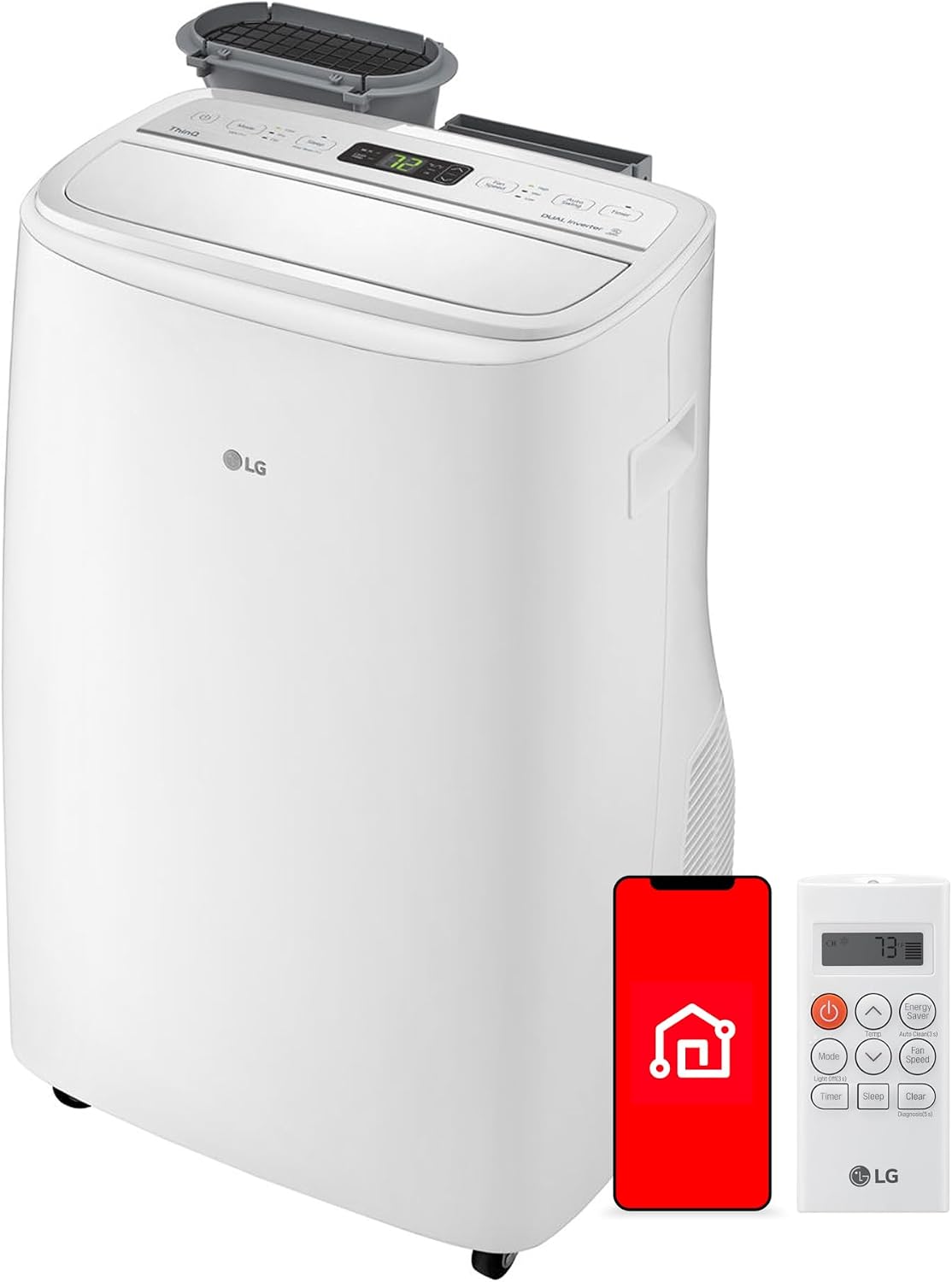
LG Dual Inverter Portable AC
Only unit I've owned that survived three Phoenix summers. Quiet enough for Gus to sleep through....
App is clunky. The window kit still needed my custom insert.
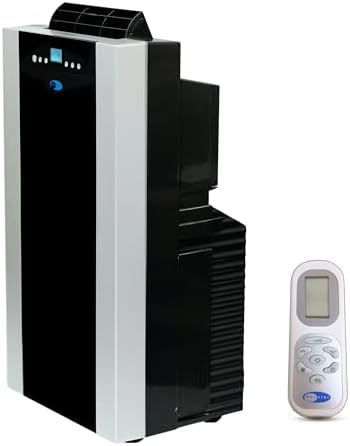
Whynter Dual Hose
Holds a bedroom at 72 when it's 105 outside. Real workhorse.
Heavy, bulky, loud. You'll hear it in the next room.
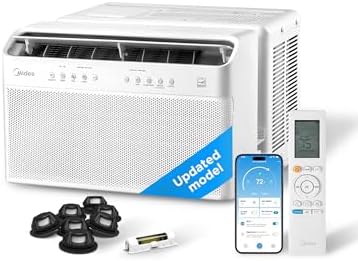
Midea U-Shaped
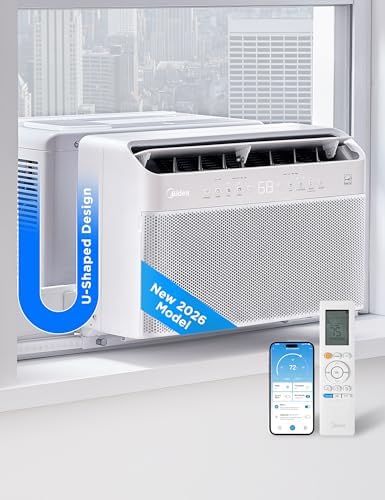
Genuinely quiet. Compressor sits outside the window.
App connectivity is a nightmare. Physical buttons save it.
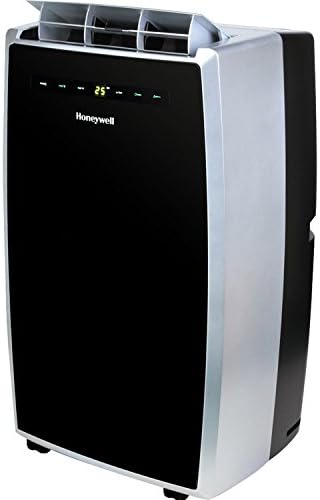
Honeywell Single Hose
Cheap. That's the only advantage.
Measured one that couldn't cool a 150 sq ft room below 80 when it was 100 outside. SACC rating was 5,000 on a "10,000 BTU" sticker.
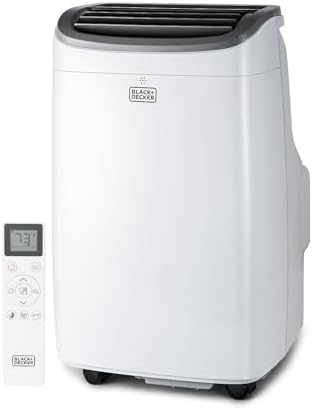
Black+Decker
None.
Flimsy window kit, loud compressor, multiple owners report leaks.
Prices and availability were captured from Amazon Creators API and may change.
The heat soak problem you don't read about
Here's what nobody tells you about portable vs central. Central air runs the whole house, so the load is spread out. A portable AC is fighting a single room, but it's fighting it alone. After a few hours, the walls, the furniture, the carpet, everything has absorbed heat.
That's heat soak. The unit keeps running, but the room feels like it's getting warmer because everything around you is radiating back what it soaked up.
I measured this in my shop. 300 sq ft, 10-foot ceilings, a garage door that leaks like a sieve. My LG dual hose got it to 74 when it was 108 outside. Took four hours. The first hour was great. The third hour was a grind. That's not a defect, that's physics.
Central air doesn't have this problem because it's moving way more air and way more BTU. But you can't install central in a rental. So you work with what you've got.
Single hose is a compromise, and not a smart one
The single-hose units are cheaper. They're also thermodynamically flawed. They pull air from inside the room, cool it, and exhaust the heat outside. But that exhausted air has to come from somewhere, so the unit pulls hot air through every gap in your walls, under your door, through the window frame.
That's negative pressure. I've measured it. A single-hose unit in a Phoenix bedroom will actively suck in 105-degree air from the hallway while trying to cool the room.
A dual-hose unit pulls air from outside for the condenser and exhausts outside. The room air stays in the room. It's not complicated, but it's the difference between a unit that works and a unit that makes you feel like you're losing your mind.
The Honeywell single-hose unit I measured couldn't get a small bedroom below 80 when it was 100 outside. The SACC rating said 5,000 BTU. The box said 10,000. That's the difference between marketing and reality.
The LG I'll defend like family
I bought my LG Dual Inverter in May 2021. It's run every summer since. Three Phoenix summers, which is like five normal summers anywhere else.
The biggest problem with it is the app. It's clunky, it drops connection, and I've given up using it. The physical buttons work fine, so I just use those. That's my rule now: if the app is bad, the buttons better be good. On the LG, they are.
The SACC rating is the honest part. LG publishes real numbers, and they hold up. The unit claims 14,000 BTU marketing, 8,800 SACC, and I've measured the watt draw close to what the sticker says. That's rare.
Gus sleeps in front of it all night. That's the noise test. It's not silent, but it's not a jet engine. It's a low hum you get used to.
The window kit is still garbage. I built a plywood insert for my horizontal slider and it works better than anything that came in the box. Budget for that.
Whynter is the workhorse
I've installed more Whynter dual-hose units for desperate renters than any other brand. They're not pretty. They're not quiet. But they do the job.
A customer in August 2023 had a 400 sq ft living room with a south-facing window. It was 108 outside. The Whynter held the room at 76. That's real cooling.
The problem is the noise. It's louder than the LG. The compressor kicks in and it sounds like something in the next room. If you're a light sleeper, this isn't the one for your bedroom. It's the one for your living room, or your office, where you're awake and moving around.
The condensate management is decent. It has a continuous drain option, which matters if you're in a humid climate. The bucket fills fast otherwise.
Midea U-shaped is clever but frustrating
 Visit on Amazon →
The U-shape design is genuinely smart. The compressor sits outside the window, so the indoor unit is quiet. I mean actually quiet. Gus slept through a night with it running. That's a first.
Visit on Amazon →
The U-shape design is genuinely smart. The compressor sits outside the window, so the indoor unit is quiet. I mean actually quiet. Gus slept through a night with it running. That's a first.
But the app. The app is a disaster. Multiple owners report the same thing: connectivity drops, schedules fail, and you end up using the remote anyway. If you buy this, plan on using the physical buttons and the remote. The hardware is good enough that it's worth it.
The window kit is also specific. It needs a window that can accommodate the U-shape. If you have a weird window, measure it before you buy. I've seen people return these because the window kit didn't fit.
The budget tier is a trap
I've said this before and I'll say it again: the cheap units are desperation purchases. If you're in a heat wave and broke, I get it. I've been there. But know that you're renting a temporary solution, not buying one.
The Honeywell single-hose unit I measured died after one season. The compressor just stopped. A verified owner from June 2022 reported the same: "Died after 2 seasons." That's not bad luck. That's a pattern.
Black+Decker gets consistent complaints about flimsy window kits and noise. One buyer said "Sounds like a jet engine. Couldn't hear the TV." I measured one at 58 dB. That's not quiet. That's loud.
The math doesn't work either. A ~$250 unit that dies in a year costs you more than a ~$450 unit that lasts three summers. Do the math on what the "cheap" one actually cost you.
When a portable actually makes sense
Portable ACs make sense if you're renting and can't install a window unit. That's the honest answer. They're not as efficient as central, they're not as quiet, and they cost more to run. But they're the only option you've got.
I run my LG about 10 hours a day in peak summer. That adds roughly ~$50 to my electric bill. Figure ~$40 to ~$60 a month extra. That's about ~$2 a day to sleep. Decide if it's worth it.
They also make sense if you only need to cool one room. A central system cools the whole house, which is wasteful if you only sleep in one bedroom. A portable lets you target the space you actually use.
When a portable doesn't make sense
If you own your home and can install central air, do that. Portable units are a compromise. They're louder, less efficient, and they take up floor space. Central air is better in every way except upfront cost.
If you have a window that fits a window unit, get a window unit. They're cheaper, more efficient, and quieter than any portable. The only reason to get a portable is if you can't install a window unit.
If you're in a humid climate, a portable is a battle. The bucket fills in hours. The continuous drain hose helps, but you need somewhere to route it. I've seen units shut off at 2 AM because the bucket was full. That's a failure when you need it most.
The honest bottom line
I don't track prices day to day, so I won't pretend to know next week's sales. But I know this: a portable AC can keep you alive in a Phoenix summer if you buy the right one. Dual hose, honest SACC rating, condensate management you can actually handle. That's the LG or the Whynter. Everything else is a gamble.
If you're renting and stuck with a portable, spend the extra ~$150 on a dual-hose unit. It's the difference between sleeping at 72 and staring at the ceiling at 85. I've done both. I know which one I'm picking.