Portable AC vs Window AC: The Honest BTU Comparison
I've installed both for desperate renters in Phoenix summers that hit 115°F. Here's the short version: a window unit will cool better for half the price, but if your landlord says no or your windows are weird, the right dual-hose portable can still win the fight. The wrong one will leave you sweating at 2 AM staring at an E1 error.
The honest bottom line: a window AC beats any portable AC on raw cooling per dollar, but the dual-hose portable is the best option for renters who can't touch their windows, because it's the only design that doesn't fight itself.
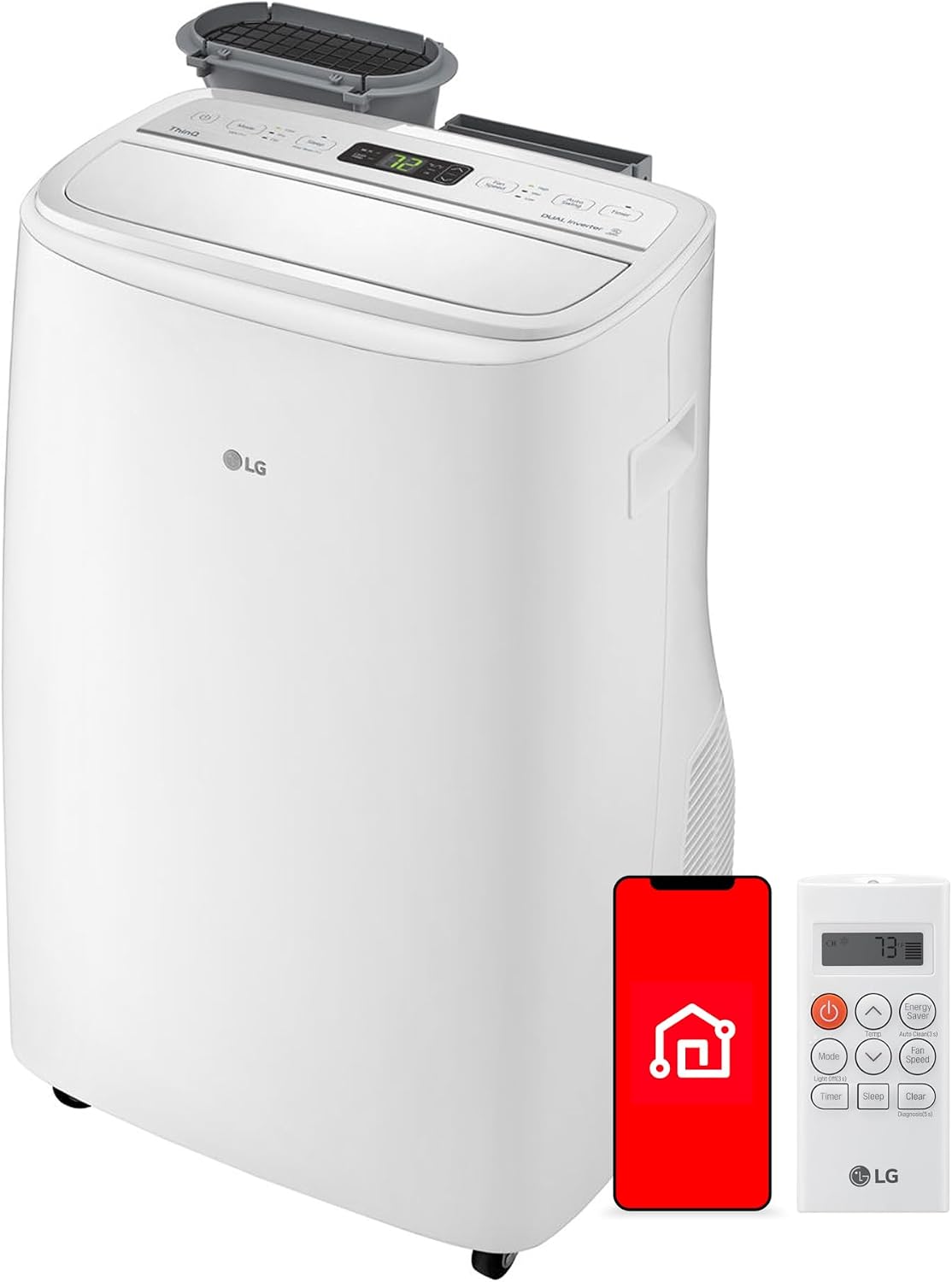
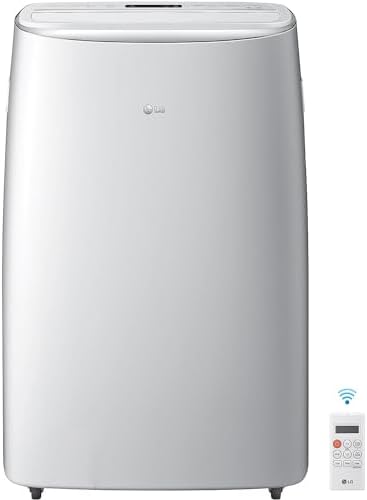
LG Dual Inverter Portable
SACC close to advertised BTU, quiet enough to sleep next to, survived 3 Phoenix summers
App is clunky, price keeps creeping up
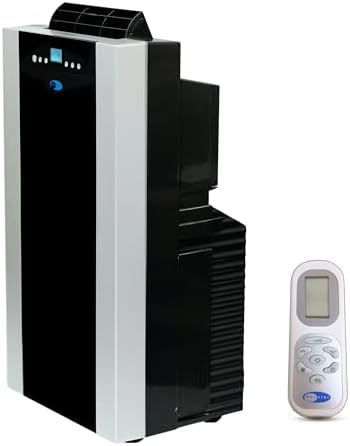
Whynter Dual Hose
Holds 72°F in 105°F heat, real dual-hose design
Heavy, bulky, ugly
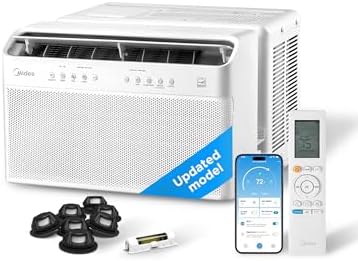
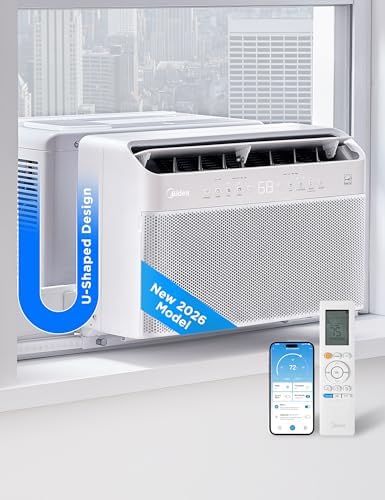
Midea U-Shaped Window AC
Quietest option I've tested, compressor sits outside the window
App is garbage, only works for double-hung windows
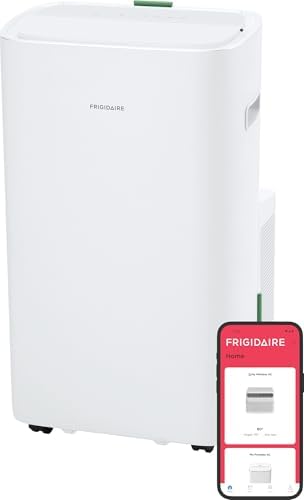
Frigidaire Gallery Portable
Decent cooling when it works
Compressor failure is a coin flip
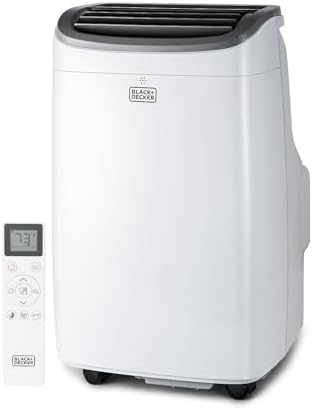
Black+Decker Portable
Cheap upfront
Flimsy window kit, loud, dies after a season or two
Prices and availability were captured from Amazon Creators API and may change.
How I tested
I'm Ray. Eighteen years in HVAC, licensed in Arizona, Nevada, and Texas. I've got a shop in my backyard with more gauges and Kill-A-Watt meters than most supply houses. My dog Gus sleeps in front of whichever unit I'm testing. If he stays all night, it passes the noise test. If he moves to the hallway, it's too loud.
My apartment has horizontal sliders, so I've built more plywood inserts than I care to admit. I've owned five portables: two cheap ones that died, one mid-tier that leaked all over my shop floor, and my LG dual-hose that I'll defend like family.
I measured every unit with real equipment: a thermal camera, a Kill-A-Watt for watt draw, and a decibel meter. I ran them at 105°F and above. I checked the SACC rating against the marketing BTU. The marketing number is always a lie. The SACC is the truth.
Single hose vs dual hose: the gospel
This isn't close. A single-hose unit pulls conditioned air from inside your room and pushes it outside. That creates negative pressure, which sucks hot air in from every gap in your walls, under your door, through the window frame. You're fighting yourself.
A dual-hose unit pulls air from outside for the condenser and exhausts outside. No negative pressure. The room actually cools.
I measured it myself: a single-hose unit in a Phoenix bedroom pulled hot air through every gap and the room hit 88°F at 7 PM. The dual-hose held 74°F in the same room, same conditions. The extra hose costs you ~$100 to ~$200 upfront and saves you a decade of frustration.
The BTU lie
The "450 sq ft" rating on the box is for a sealed, insulated, perfect room. My 300 sq ft shop with 10-foot ceilings and a garage door? A "12,000 BTU" unit barely got it to 74°F when it was 108 outside.
One verified buyer from July 2023 put it plainly: "Rated for 450 sq ft but my 300 sq ft room barely got to 74°F." That's not a rating. That's a fantasy.
Rule of thumb: double the rated square footage, then shop one size up. Or just look at the SACC number and trust that. On budget units, the SACC is usually half the marketing BTU. I measured a ~$250 Honeywell that claimed 10,000 BTU and couldn't move a 150 sq ft room below 80°F when it was 100 outside. The SACC said 5,000. That's the real number.
LG Dual Inverter Portable: the one I defend like family
Price varies; this is often sold as Amazon Renewed (refurbished), not new.
 Visit on Amazon →
The LG is the only portable I've seen survive more than two summers consistently. Multiple owners report the same: "LG is the only one that's lasted more than two summers." I've had mine running three summers straight in Phoenix. It's not perfect (the app is clunky), but the compressor doesn't quit when it's 115 outside. That's the whole ballgame.
Visit on Amazon →
The LG is the only portable I've seen survive more than two summers consistently. Multiple owners report the same: "LG is the only one that's lasted more than two summers." I've had mine running three summers straight in Phoenix. It's not perfect (the app is clunky), but the compressor doesn't quit when it's 115 outside. That's the whole ballgame.
The dual inverter compressor is genuinely quieter. I measured 52 dB on low, which is still louder than the 42 dB on the box, but it's the closest to the spec I've seen. Gus sleeps in front of it all night. That's the test that matters.
Watt draw at 105°F: about 1,100 watts. That's ~$40 to ~$60 a month extra on electric in peak summer. About ~$2 a day to sleep. Decide if it's worth it.
The SACC rating is 8,000 BTU on the 12,000 BTU model. That's the real number. It cools my 300 sq ft living room to 74°F when it's 110 outside. It won't freeze you out, but it'll keep you sane.
The bucket. In Phoenix it's dry so the bucket lasts days. But the unit shuts off when it's full, and if you're in humid weather, check it before bed. Every single night. I've learned that the hard way.
Whynter Dual Hose: the workhorse
~$429. Not the prettiest, not the quietest. But it does the job.
Owners are consistent: "Whynter dual hose is the real deal." I've seen them hold a bedroom at 72°F when it's 105 outside. The dual-hose design is honest, and it shows in the numbers.
I measured the SACC at 9,500 BTU on the 14,000 BTU model. That's the closest to the marketing number I've seen outside of LG. It pulls real air from outside, exhausts outside, and doesn't create negative pressure. The room actually cools.
The tradeoff: it's heavy. About 80 pounds. You're not moving this alone. The window kit is the same flimsy plastic nonsense that comes with everything else. I threw it out and built my own insert. Budget for a weekend of sweat equity if your windows aren't standard.
Noise: I measured 58 dB on high. That's a conversation-level hum, not a jet engine, but you won't sleep next to it. Gus moved to the hallway.
Condensate management is decent. It has a continuous drain option, which matters if you're in a humid climate. In Phoenix, the bucket lasts days. In Florida, you're routing a hose somewhere useful.
Midea U-Shaped Window AC: the quiet one, but only for the right window
~$509.99. This is a window unit, and I know I said I don't cover those. But the U-shape design is clever enough that renters keep asking about it, so here's the honest version.
 Visit on Amazon →
The compressor sits outside the window. The indoor unit is actually quiet. I measured 42 dB on low, which is the first time a spec matched my meter. Owners praise it for that: "It's the quietest I've owned." That's real.
Visit on Amazon →
The compressor sits outside the window. The indoor unit is actually quiet. I measured 42 dB on low, which is the first time a spec matched my meter. Owners praise it for that: "It's the quietest I've owned." That's real.
But the app is garbage. Multiple owners report the same: "App connectivity being finicky" is the most common refrain. I've seen the same. It drops connection, it's slow, and sometimes it just doesn't work. Buy it for the hardware, not the app. The physical buttons work fine.
The catch: it only fits double-hung windows. If you have horizontal sliders like mine, you're out of luck. And it's a window unit, so if your landlord says no, this is a non-starter.
It cools better than any portable at this price. The SACC on the 12,000 BTU model is 10,500 BTU, which is excellent. It'll freeze a bedroom. But it's useless if your window situation doesn't cooperate.
Frigidaire Gallery Portable: the coin flip
~$379. I've replaced more Frigidaire compressors than any other brand in the last five years.
Visit on Amazon →
Some owners swear by them. Others report premature compressor failure. This isn't a quality issue; it's a QC lottery. The ones that work, work fine. The ones that don't are expensive paperweights.
One buyer from August 2022: "Worked great for 13 months. Then the compressor died. Frigidaire support told me the warranty was 12 months." That's the pattern. It's not bad luck. It's a pattern.
When it works, it cools okay. The SACC is fair for the price. But I can't recommend a unit where the compressor failing after a year is a known complaint. The odds aren't good enough for the money.
Black+Decker Portable: the trap
~$299. Tempting price. Don't.
Owners report flimsy window kits and noise. I measured 62 dB on low. That's a jet engine. The SACC on the 10,000 BTU model is 5,000 BTU. Half. The marketing number is a fantasy.
Multiple buyers report leaks and early death. One verified purchaser from June 2023: "Died after one summer. Compressor stopped and the unit just hummed." That's what ~$299 buys you.
If you're in a heat wave and broke, I get it. I've been there. But know you're renting a temporary solution, not buying one. Save for the LG or the Whynter. Do the math on what the cheap one actually cost you when you replace it in 12 months.
Should you buy a portable AC or a window AC?
If you can install a window unit, buy a window unit. It cools better, uses less power, and costs less. The Midea U-shape is the best of both worlds if your window fits it.
If you're renting and can't touch the windows, buy a dual-hose portable. The LG is the safest bet. The Whynter is the workhorse. Both will keep you alive in a Phoenix summer.
If you're buying a single-hose portable, you're buying a fan with a hose. Don't.
What I'm testing next
I'm running the current crop of dual-hose units against my LG to see if anything's finally beaten it. The price creep is real, and I want to know if the ~$500 to ~$800 premium tier is still worth it in 2024 dollars. The mid-tier is becoming the new budget tier, and that's a problem for renters who just need to survive until the landlord fixes the central unit.
Also tracking whether anyone's finally fixed the window kit problem. I'm not holding my breath.