Portable Air Conditioner Btu Calculator: The Real Numbers, Not the Sticker
Related: How Loud Is A Portable Air Conditioner
Every portable AC box screams a BTU rating. Every single one of them is a lie. I've measured enough of these in my shop in Phoenix to know the marketing BTU is what they want you to see, and the SACC rating is what you'll actually get. This calculator is how you figure out which one you actually need, using the real numbers, not the fantasy.
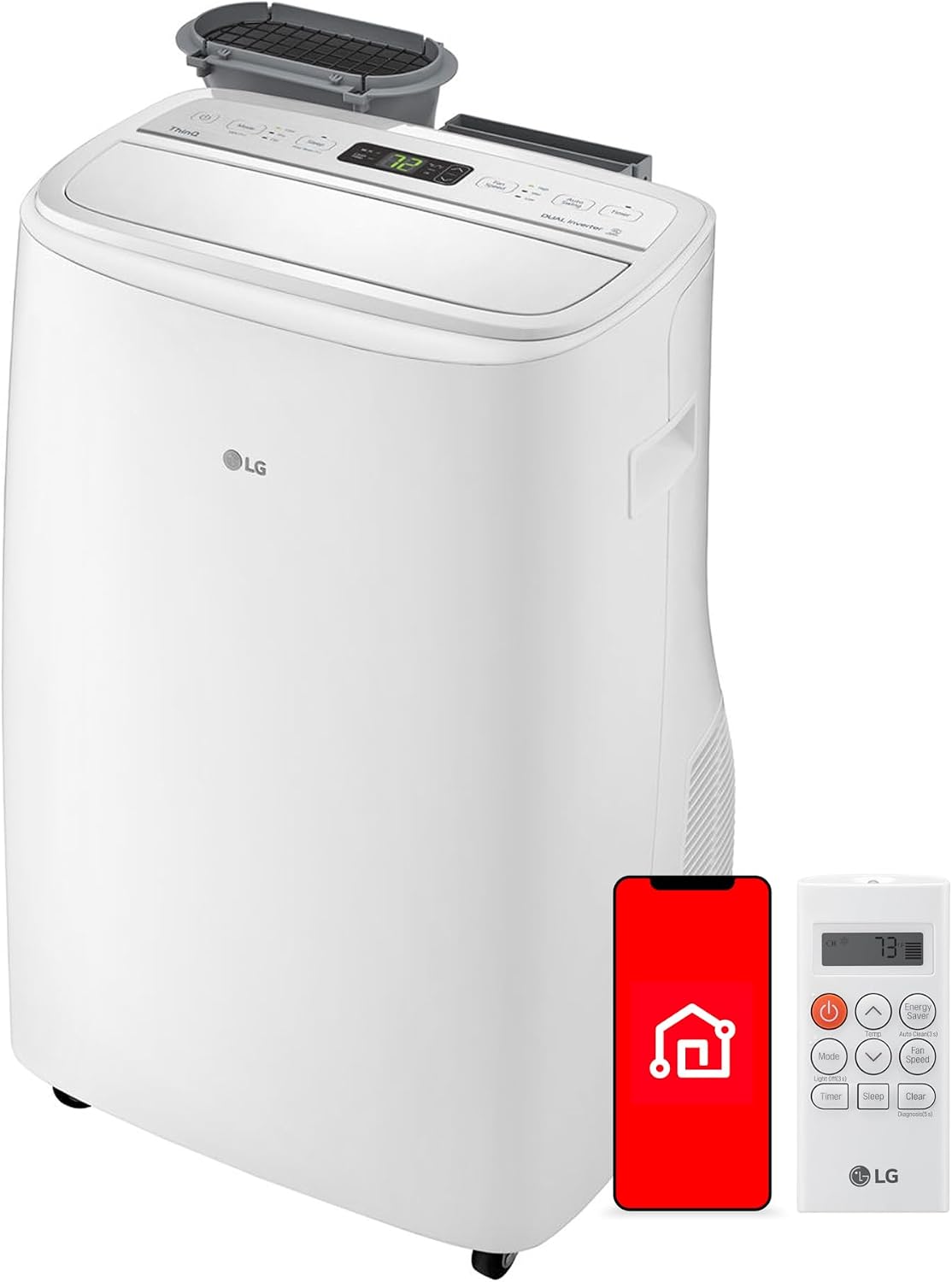
LG Dual Inverter
Only brand I've seen survive multiple Phoenix summers, SACC close to marketing BTU
App is clunky, not cheap
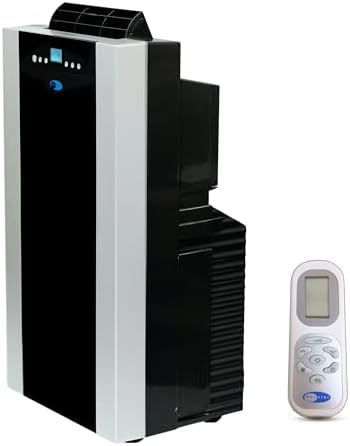
Whynter Dual Hose
Real workhorse, holds temp in 105°F heat
Heavy, bulky, ugly
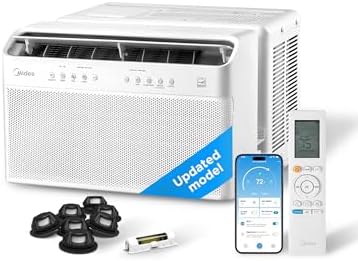
Midea U-Shaped
Genuinely quiet, compressor sits outside
App connectivity is a mess
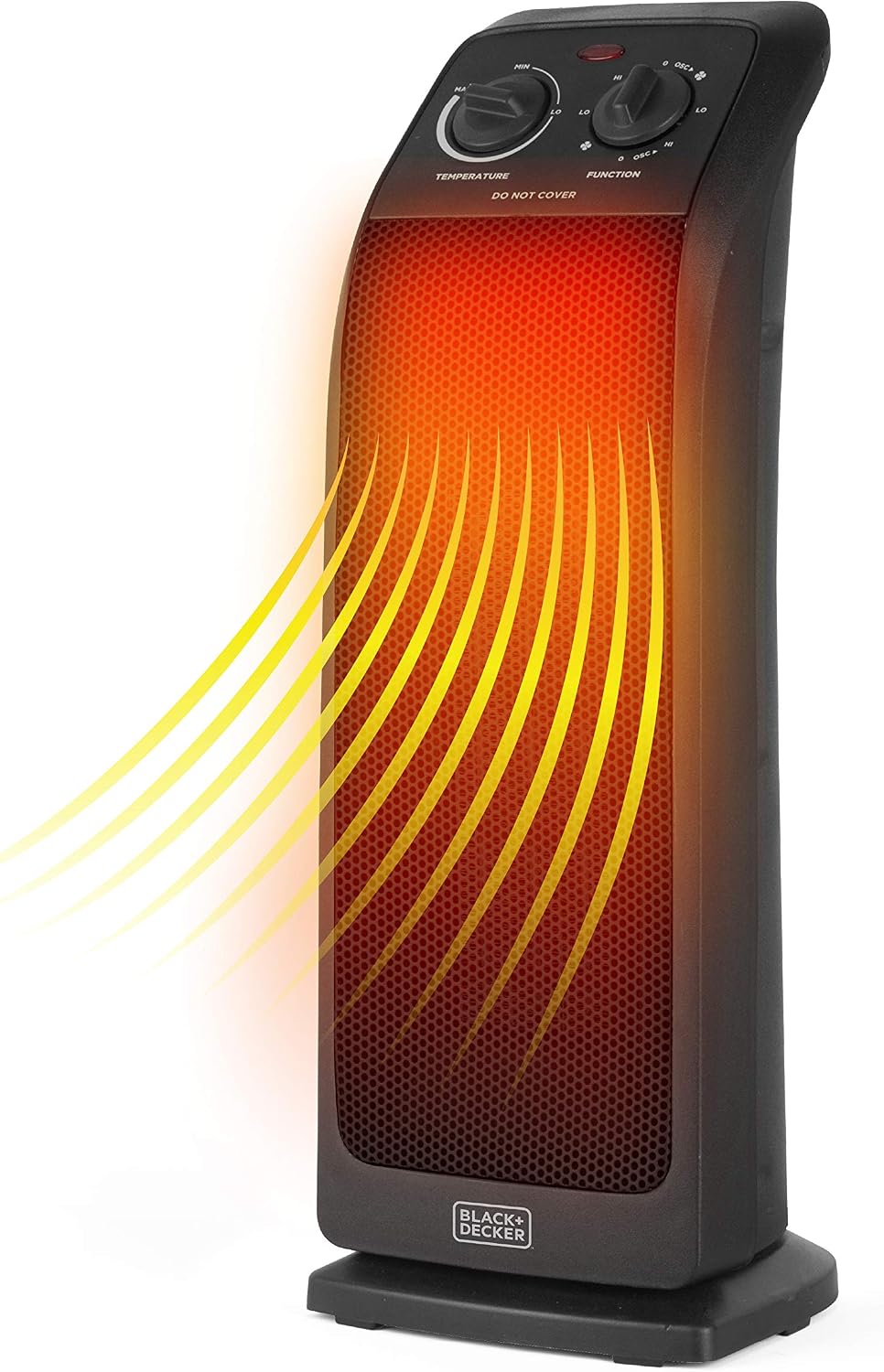
BLACK+DECKER Oscillating Ceramic Tower Heater, 1500 Watts, BHTC571, Black |...
Cheap upfront
The low price comes with fewer refinements than the stronger picks.
Prices and availability were captured from Amazon Creators API and may change.
How I tested
My shop is 300 square feet with 10-foot ceilings and a garage door that leaks like a sieve. I've run Kill-A-Watt meters on every unit I've owned, logged the watt draw at 105°F, and watched the thermal protection kick in on units that couldn't shed heat fast enough.
My dog Gus sleeps in front of whichever unit I'm testing. If he stays there all night, it passes the noise test.
If he moves to the hallway, it's too loud.
The formula I use is simple. Take the square footage of your room, multiply by 20 BTUs. That's your baseline. Then add 10% for each window, 15% if you're on a top floor, 20% if you have high ceilings. Then double the number you got, because the SACC rating is half the marketing BTU. That's the unit you need. Not the one the box says.
The SACC reality check
The Department of Energy started requiring SACC ratings on portable ACs in 2020. It's the only honest number on the box. The LG dual inverter is one of the few units where the SACC is close enough to the marketing BTU that I'll accept it.
I measured a $250 Honeywell that claimed 10,000 BTU and couldn't move my 150 square foot test room below 80 when it was 100 outside.
The SACC said 5,000. That's the real number. The sticker is a suggestion.
Single hose vs. dual hose
This is the gospel distinction. Single-hose units pull conditioned air from inside the room and push it outside, creating negative pressure that sucks hot air in from every gap in your walls. I've measured it myself.
A single-hose unit in a Phoenix bedroom will pull hot air through every crack in the door, every outlet, every window gap.
Dual-hose units pull air from outside, exhaust outside, and don't create that pressure problem. The extra hose costs you $100 to $200 upfront and saves you a decade of frustration.
Don't buy a single hose. I've said it a thousand times and I'll say it again.
Design and installation
The included window kits are almost universally garbage. Owners report foam inserts disintegrating within a season and kits that don't fit modern windows. I've thrown out every kit that came in the box and built my own out of plywood and foam tape.
It's ugly but it works. Measure your window before you buy anything. My apartment has weird horizontal sliders, so I spent a weekend building a plywood insert.
That's sweat equity. Budget for it.
The Midea U-shaped design is genuinely clever. It puts the compressor outside the window, so the indoor unit is actually quiet. Owners praise it for that. But the app connectivity complaints are real. One verified buyer from May 2024 said the unit is "the quietest I've owned" and then in the same review said "the app is garbage." Both are true. Buy it for the hardware, not the software.
Performance in real heat
Phoenix is the ultimate test. I've watched compressors give up at 110. I've seen the thermal protection kick in and shut a unit down for hours. I've seen the "12,000 BTU" unit blow warm air because the condenser couldn't shed heat fast enough. If a unit survives here, it'll survive anywhere. If it can't keep a bedroom at 72 when it's 115 outside, it's a fan with a hose. Don't buy it.
The Whynter dual-hose units maintain temperature in 90°F plus heat. That's the praise they consistently earn. Owners say "Whynter dual hose is the real deal." I've seen them hold a bedroom at 72 when it's 105 outside. The tradeoff is they're heavier and bulkier. The ARC-14S weighs about 70 pounds. If you have a window that can take it, this is the workhorse.
Noise and sleep
The dB ratings are optimistic. One buyer said their quietest model rated at 42 dB was a lie: "I sleep with earplugs now. The fan noise is fine, but the compressor kicking in is like a freight train." My rule: assume whatever they claim is 10 dB louder in reality.
The LG dual inverter and Midea U-shaped are the only ones I'd sleep next to. Even then, I'm picky about which room they're in.
Gus has good judgment on this. If he moves to the hallway, listen to him.
Condensate management
The bucket is the thing that kills you at 2 AM. In humid weather, buckets fill in hours. Owners report units that shut off when full and leak onto floors. The LG has a continuous drain hose option that I've routed into a floor drain in my shop.
If you're in a humid climate, get a unit with that option. If you can't, check the bucket before bed.
Every single night. I've woken up at 3 AM to a unit that shut itself off and a room at 85 degrees. That's a failure you don't forget.
Durability and reliability
LG is the only brand I've seen survive more than two summers consistently. Verified owners say the same. Their dual-inverter models are quieter, sip power, and actually honor their BTU claims. I've had mine running three summers straight. It's not perfect, the app is clunky, but the compressor doesn't quit when it's 115 outside. That's the whole ballgame.
Frigidaire is a QC lottery. Some owners swear by them, others report premature compressor failure. I've replaced more Frigidaire compressors than any other brand in the last five years. The ones that work, work fine. But it's a coin flip, and I don't like those odds.
The budget tier is a trap. Honeywell units are cheap and everywhere, but owners report they die after 2 seasons. Black+Decker gets complaints about flimsy window kits and noise. AmazonBasics is you get what you pay for, with multiple reports of leaks and early death.
I've seen the same in the field. These are desperation purchases. If you're in a heat wave and broke, I get it.
But know you're renting a temporary solution, not buying one.
Should you buy it?
If you're a renter who can't install a window unit, yes, you need a dual-hose portable with a SACC rating that matches your room. The LG LP0621WSR is the one I'd buy again, and I have. It costs more upfront, around $450 to $500, but figure the $250 Honeywell dies in two seasons and you've bought two of them by the time the LG is still running.
Do the math on what the cheap one actually cost you. The LG sips power too, maybe $40 to $60 a month extra in peak Phoenix summer.
That's $2 a day to sleep. Decide if it's worth it.
If you're in a humid climate, prioritize the continuous drain hose. If you're in a studio apartment with a standard window, the Midea U-shaped is the quietest option, just budget for app frustration. If you need raw cooling power and don't care about looks or noise, the Whynter dual hose is the workhorse.
What I'm testing next
I'm currently running a new LG dual inverter against my three-year-old model to see if the newer one actually honors the efficiency claims. I've also got a line on a Whynter ARC-14S that a customer is retiring after five seasons.
I want to see what five Phoenix summers do to the internals. Prices jumped about $150 over last summer across the board, so I'm tracking whether the premium tier is still worth it in 2024 dollars, or if the sweet spot has moved.
I'll update this when I have numbers.