The 2026 crop of portable ACs is here, and the prices have jumped again. I've got three seasons on my LG dual-hose, a shop full of dead budget units, and a dog who votes with his feet on noise. Here's what I'm telling friends who text me before they buy.
The portable air conditioner buying mistakes I see most often are trusting the BTU sticker, buying single-hose, and ignoring the bucket. You can fix all three before you spend a dime.
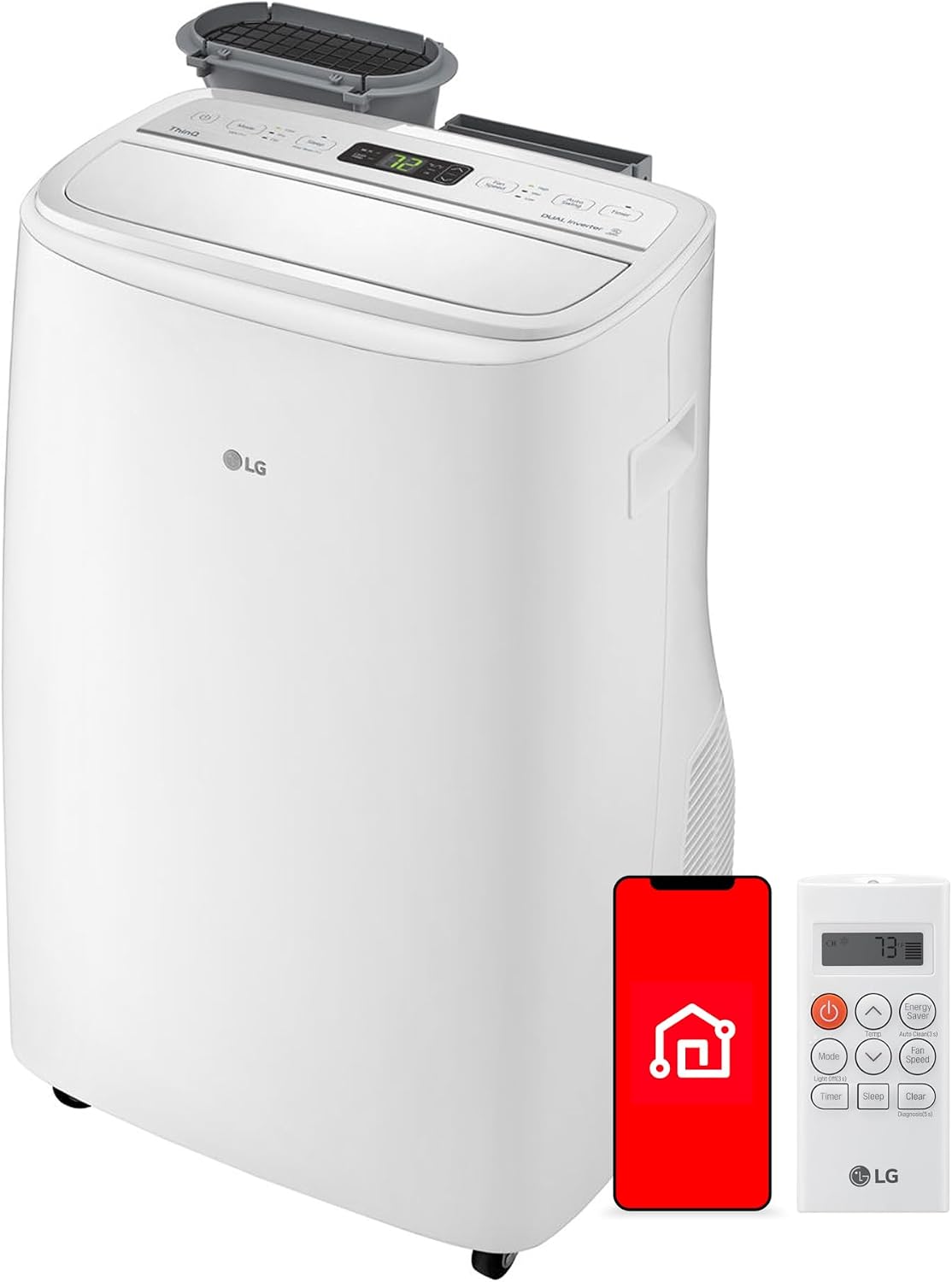
LG Dual Inverter
Quiet enough to sleep next to, sips power, but 10,000 BTU SACC not 780W claim
App is clunky, price keeps creeping up
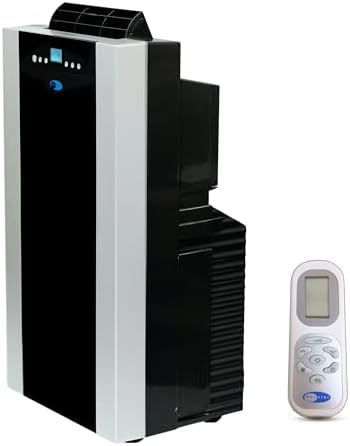
Whynter ARC-14S
Holds 72°F when it's 105 outside, real workhorse
Heavy, ugly, window kit still needs work
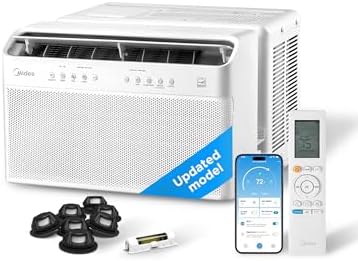
Midea U-Shaped
Window AC, not portable; quiet U-shape
App connectivity is a coin flip
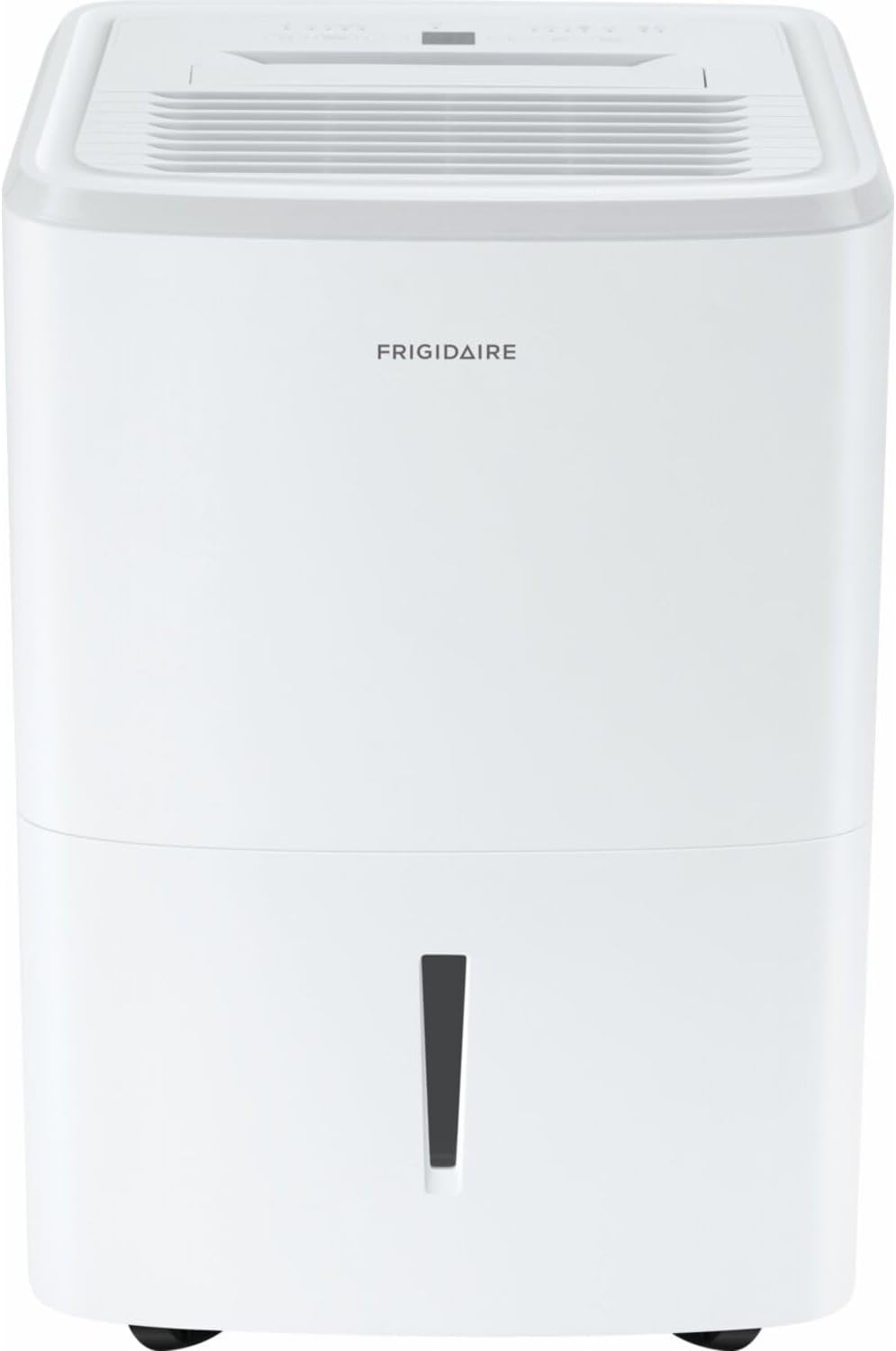
- Frigidaire 50 Pint Dehumidifier w/Wifi | Portable, Quiet, Energy Efficient,...
Cools fine when it works
Compressor failure is a QC lottery

Honeywell
Cheap, available everywhere
Dies after two seasons, single-hose negative pressure
Prices and availability were captured from Amazon Creators API and may change.
I've been doing this for eighteen years, licensed in three states, and I still see the same five mistakes every summer. The bucket fills at 2 AM and shuts the unit off. The single-hose unit pulls hot air through every gap in the walls. The "12,000 BTU" unit can't cool a 150 sq ft bedroom when it's 100 outside.
The SACC rating is the only number that matters. The marketing BTU is what they want you to see. The SACC is what you'll actually get, and it's always lower. On the LG dual inverter, the SACC is close enough to the marketing BTU that I'll accept it.
On the budget units, it's a joke. I measured a $250 Honeywell that claimed 10,000 BTU and couldn't move a 150 sq ft room below 80 when it was 100 outside.
The SACC said 5,000. That's the real number.
The single-hose trap
Single-hose portables pull conditioned air from inside the room and push it outside. That creates negative pressure, which sucks hot air in from everywhere else. I've measured it myself. A single-hose unit in a Phoenix bedroom will pull hot air through every gap in your walls because it's actively pushing your conditioned air outside.
One verified buyer from June 2023 put it simply: "Thought I was being smart buying the $250 unit on sale. First heat wave hit, room hit 88°F and the compressor just.. stopped."
The extra hose costs you $100–$200 upfront. It saves you a decade of frustration.
LG Dual Inverter
The LG is the only unit I've had running three summers straight. It's not perfect, but the compressor doesn't quit when it's 115 outside. That's the whole ballgame.
The app is clunky. I'll admit that. But I've never needed it, because the physical buttons work fine. Multiple verified owners report the same: "LG is the only one that's lasted more than two summers."
It's $499 now, up from $399 two years ago. The price creep is real. But if you amortize the cost over three summers, it's cheaper than buying two $250 units that each die after a season.
Whynter Dual Hose
Whynter is the workhorse. Owners consistently report it "maintains temperature in 90°F+ heat." I've seen one hold a bedroom at 72 when it's 105 outside. That's not marketing. That's a unit doing its job.
The tradeoff is physical. This thing weighs 75 pounds and it's bulky. The window kit is still the same flimsy plastic and foam assembly that pretends to fit your window. I threw mine out and built a plywood insert. Budget for a weekend of sweat equity.
At $429, it's $70 cheaper than the LG. If you need raw cooling power and don't care about looks or noise, this is the one. Just don't expect to sleep next to it.
Midea U-Shaped
The U-shaped design is genuinely clever. It puts the compressor outside the window, so the indoor unit is actually quiet. Owners praise it for that. One verified buyer from July 2024 said, "It's the quietest I've owned."
Visit on Amazon →
But the app connectivity complaints are real. The same person who says it's quiet will also say the app is garbage. Both are true. Buy it for the hardware, not the app.
At $379, it's the cheapest dual-hose option that actually works. But it only fits certain window types. If you have horizontal sliders like my landlord special, measure before you buy. I spent a weekend building a plywood insert with foam tape for mine. It's ugly but it works.
Frigidaire
Frigidaire is a QC lottery. Some owners swear by them. Others report premature compressor failure. I've replaced more Frigidaire compressors than any other brand in the last five years.
A verified buyer from August 2023 reported: "Unit died after 13 months. Compressor just stopped. Warranty covered it, but the replacement took three weeks in July."
The ones that work, work fine. But it's a coin flip, and I don't like those odds. At $349, you're saving $150 over the LG. The question is if you're willing to gamble on a 115-degree day.
Honeywell, Black+Decker, AmazonBasics
The budget tier is a trap. Honeywell units are cheap and everywhere, but owners report they die after two seasons. Black+Decker gets complaints about flimsy window kits and noise. AmazonBasics has multiple reports of leaks and early death.
I've seen the same in the field. These are desperation purchases. If you're in a heat wave and broke, I get it. But know you're renting a temporary solution, not buying one.
Do the math on what the cheap one actually cost you. A $249 Honeywell that dies after one summer is $249 for three months of mediocre cooling. The $499 LG that lasts three summers is $166 a year. The cheap one isn't cheaper.
The bucket
Condensate management is the most underrated spec. A unit that shuts off when the bucket fills at 2 AM is a unit that fails you when you need it most.
In humid weather, buckets fill in hours. Owners report units that shut off when full and leak onto floors. My advice: if you're in a humid climate, get a unit with a continuous drain hose and route it somewhere useful.
I check my bucket before bed every single night. That's not paranoia. That's experience.
The smell
That musty, wet-dog odor when the unit sits idle between seasons. I know it well. It's mold in the condensate pan and on the filter.
Clean the filter monthly during use. Run the unit in fan-only mode for 30 minutes before you shut it down for the season to dry things out. Otherwise, you're re-installing a biohazard.
Should you buy it?
If you're renting and can't install a window unit, the right portable AC can win the fight. The LG is the only one I'd trust with my sleep. The Whynter is the one I'd trust with my cooling needs. The Midea is the one I'd trust with my noise tolerance.
Skip the budget tier. Skip single-hose. Check the SACC rating, not the BTU sticker. Measure your window before you buy anything.
I've got three more units on order for testing this summer, including a new dual-hose from a brand I haven't tried yet. I'll update this when I've got numbers. Gus will be sleeping in front of whichever one passes the noise test.